Who really paid for Trump's first tariffs
Near-complete tariff pass-through estimates
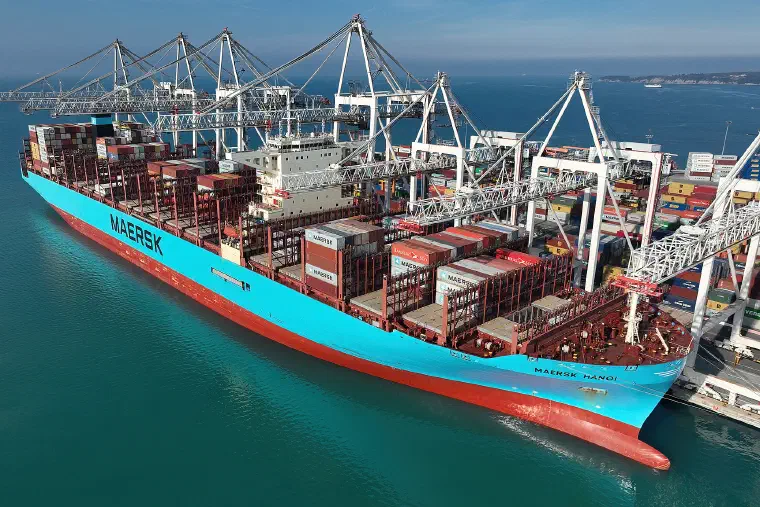
As the prospect of aggressive new tariff regimes dominates the political debate, empirical research into the 2018–2019 trade war offers definitive evidence regarding who actually bears the cost of import duties. Landmark studies by economists Amiti, Redding, and Weinstein show that the statutory burden of tariffs was passed through nearly one hundred per cent to American buyers.

Complete Tariff Pass-Through
Foreign exporters did not slash factory-gate prices to absorb the duties; instead, US import prices rose in exact lockstep with the tariff rate. Domestic importers, wholesalers, and retailers either absorbed the hit via compressed profit margins or passed the cost directly onto consumers. Treating tariffs as a revenue extract from foreign adversaries is a complete repudiation of empirical trade economics.

Academic analysis of the previous trade war delivers an uncompromising verdict: import tariffs are borne entirely by domestic businesses and consumers through higher prices and diminished margins.