Iran closes the strait again
Re-closure shock to curve
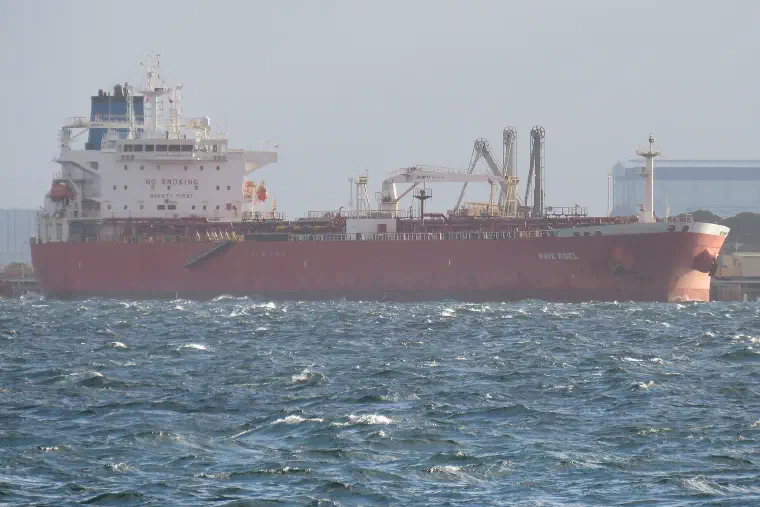
The fragile diplomatic truce in the Persian Gulf collapsed into catastrophic ruin on 12 June: citing unprovoked maritime provocations, Iranian naval forces officially reinstated the total maritime closure of the Strait of Hormuz. Front-month Brent crude exploded back to $95.40, while official US energy data delivered a devastating reality check: total domestic petroleum inventories, including the Strategic Petroleum Reserve, have plummeted by an alarming 79 million barrels.


The Re-Closure Curve Shock
The abrupt reinstatement of the blockade delivered an immediate, violent shock to the entire petroleum forward curve. Backwardation surged to historic extremes as physical crude traders scrambled to secure prompt physical supplies. The illusion of an immaculate diplomatic resolution was shattered in hours, forcing algorithmic funds to frantically cover short positions.

The Exhaustion of Strategic Stocks
Far more alarming for macroeconomic policymakers is the sheer depletion of domestic buffers. Having drawn down 79 million barrels of petroleum over the spring to cushion fuel prices, the United States finds itself confronting a re-closed strait with dangerously depleted emergency reserves. Iran’s re-closure of the Strait of Hormuz catches the global economy completely defenseless: with strategic inventories drained by 79 million barrels, the world economy must absorb a renewed energy blockade without an emergency cushion.