Independence Day: Energy independence, tested
Shale response vs inventory draw
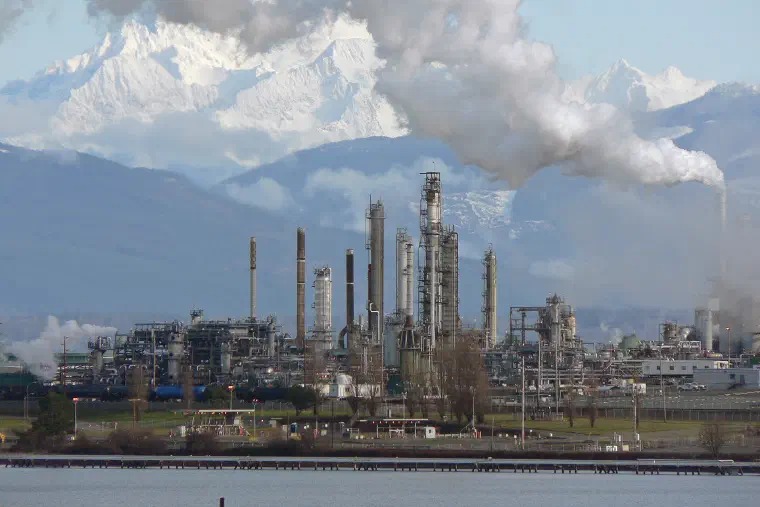
As the nation celebrated Independence Day, the cherished political doctrine of American 'energy independence' was subjected to an unforgiving real-world macroeconomic stress test. Despite domestic crude production running near record highs, total US petroleum inventories—including the Strategic Petroleum Reserve—plunged by 79 million barrels over the spring, exposing the fragility of domestic energy isolation.


The Global Price Interconnect
The energy crisis proved once again that physical domestic production does not insulate an economy from global market clearing prices. While American oil fields produce over thirteen million barrels per day, domestic crude is priced against global benchmarks. When twenty million barrels daily are severed from global markets via the Hormuz blockade, American oil producers export crude to international buyers paying premium prices, driving domestic refinery feedstock and retail fuel costs violently higher.


The Exhaustion of the Strategic Shield
Furthermore, draining 79 million barrels from emergency stockpiles to suppress domestic gasoline prices has left the nation's strategic reserves severely depleted. The United States cannot maintain an artificial energy island while global markets burn. Independence Day 2026 delivers a sobering quantitative truth: American energy independence is an optical illusion in a globalized commodity market, leaving domestic consumers fully exposed to international supply shocks despite record domestic shale production.