One tariff ends, another begins
Legal basis change, similar rate
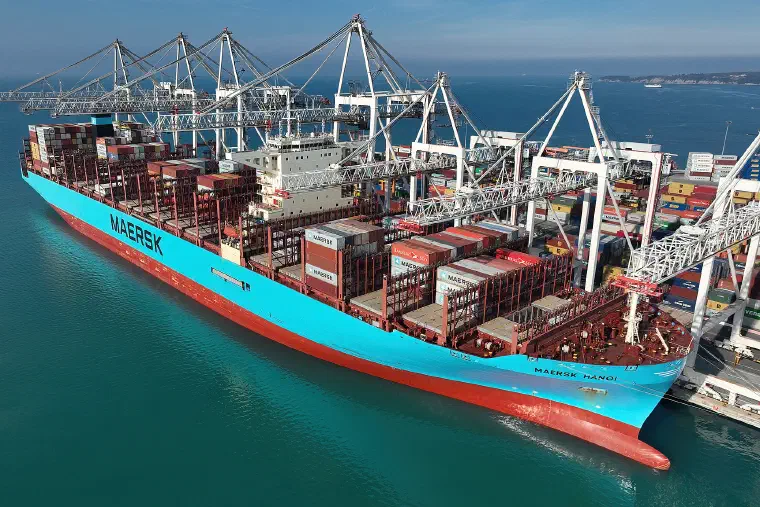
The stroke of midnight on 24 July delivered an immaculate demonstration of administrative trade substitution: precisely as the temporary 10 per cent tariffs enacted under Section 122 reached their statutory 150-day expiration, the administration unveiled an aggressive new protectionist framework under Section 301. The legal foundation shifted, but the border tax remained virtually identical.

The Seamless Statutory Hand-off
Corporate logistics managers hoping for a tariff-free reprieve were thoroughly disappointed. The new Section 301 decrees established a permanent two-tier tariff schedule covering approximately sixty global economies: a baseline 10 per cent rate for nations cooperating with bilateral supply-chain reviews, escalating to 12.5 per cent for non-cooperating jurisdictions. By substituting Section 301 for the expiring Section 122, the executive branch bypassed legislative expiration while preserving its multi-billion-dollar customs revenue stream.


The Permanent Structural Tax
The administrative transition confirms that tariffs have evolved from transient negotiating threats into a permanent structural feature of the American fiscal and industrial landscape. One trade statute expires only for another to take its place: the seamless transition from Section 122 to Section 301 proves that protectionism has become a permanent institution, locking corporate America into an unending cycle of border taxation.