Tariff refunds mean more government borrowing
Refunds swell bill supply
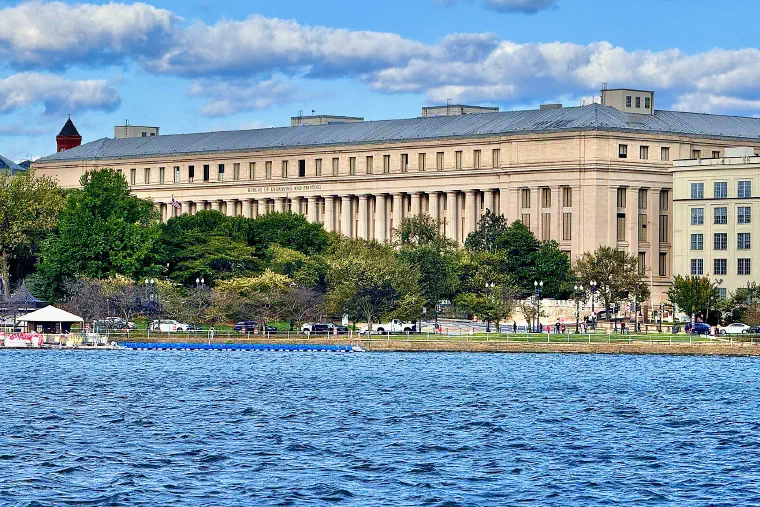
The Department of the Treasury delivered a sobering update on the federal government’s forward borrowing requirements, confirming that financing the court-ordered $166 billion tariff refund liability will require an immediate, massive expansion in net Treasury bill issuance through the remainder of the fiscal year.
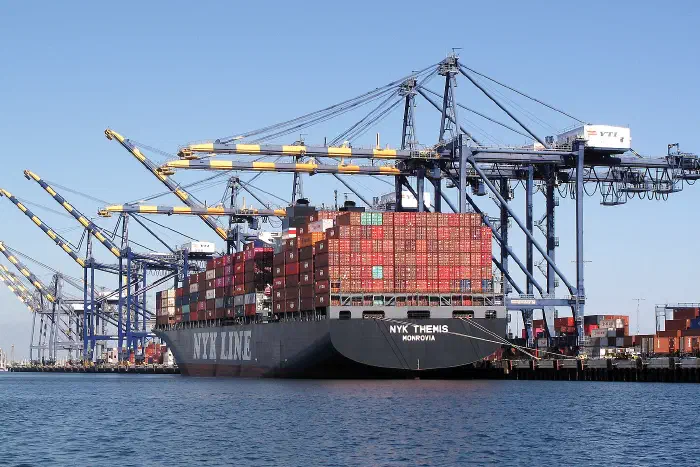

The Refund Borrowing Mechanism
Because the federal budget deficit is already compounding near $2 trillion annually, the Treasury possesses zero surplus cash reserves to satisfy judicial restitution decrees. Every single dollar of the $166 billion in court-mandated refund checks must be funded through new sovereign debt issuance. To prevent sovereign cash balances from falling below operational safety thresholds, debt managers have dramatically expanded weekly auction sizes across 4-week, 8-week, and 17-week Treasury bills.

Front-End Saturation and SOFR Stress
Flooding short-term funding markets with hundreds of billions in new paper is beginning to saturate money-market absorption capacity. Money market funds and primary dealers, constrained by regulatory leverage caps, are demanding higher yields to warehouse the supply, pushing front-end benchmark rates higher. Refunding unconstitutional tariffs to corporate America delivers an immense earnings windfall to importers, but it comes at the direct expense of sovereign balance-sheet stability, forcing the Treasury into a massive borrowing blitz that drives short-term interest rates higher.