Trump dusts off a 1930 law to hit Canada
Discrimination statute as tariff tool
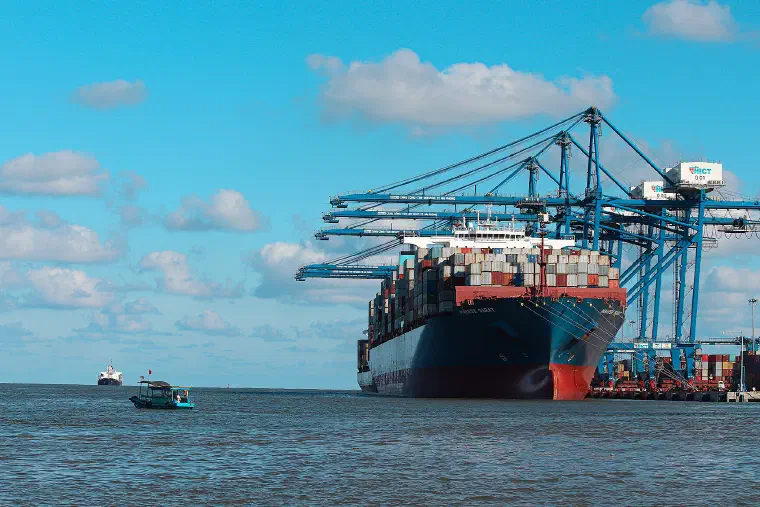
In an unexpected and legally audacious trade maneuver on 19 August, the administration dusted off Section 338 of the Tariff Act of 1930—a dormant, century-old statute designed to penalize foreign trade discrimination—to impose an immediate, sweeping 50 per cent tariff on Canadian merchandise imports.

The Century-Old Weapon Resurrected
Section 338 grants the President sweeping, unconstrained authority to levy retaliatory tariffs of up to 50 per cent on nations that 'discriminate against the commerce of the United States.' By bypassing modern trade agreements and invoking an un-litigated Smoot-Hawley-era provision, the administration sought to punish Canadian dairy supply-management rules and provincial digital taxes without facing the statutory constraints of the Trade Act of 1974.


Cross-Border Industrial Rupture
Slapping a 50 per cent border tariff on America’s largest trading partner shatters the integrated automotive, forestry, and energy manufacturing corridor of the Great Lakes. Canadian lumber, aluminum, and intermediate automotive assemblies face immediate commercial exclusion, guaranteeing severe supply shortages and surging production costs for American builders. Resurrecting a 1930 Smoot-Hawley trade statute to hit Canada marks the total descent of trade policy into historic economic revanchism, risking the catastrophic destruction of North America's integrated industrial base.