Who is Kevin Warsh?
Smaller balance sheet traded for cuts
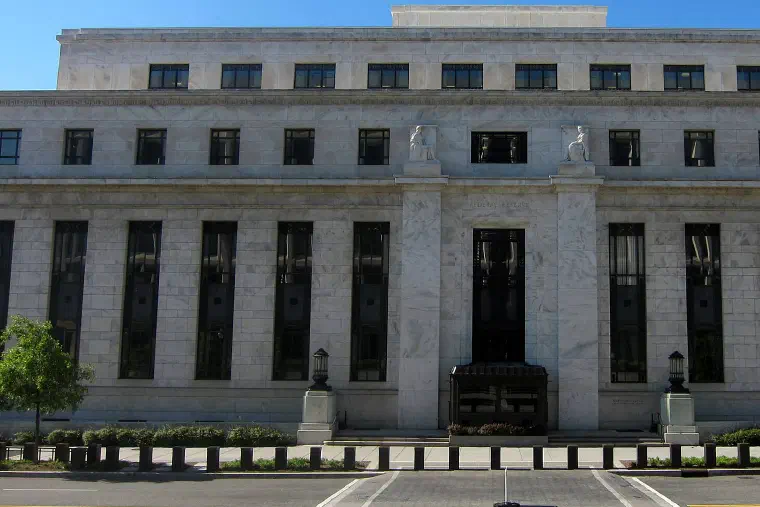
The White House stunned financial markets on 30 January by officially nominating former Federal Reserve Governor Kevin Warsh to succeed Jerome Powell as Chairman of the Federal Reserve. The nomination triggered an immediate reassessment of the central bank’s future balance-sheet and interest-rate trajectory.


The Warsh Doctrine: The Great Balance-Sheet Compromise
Kevin Warsh’s economic philosophy represents a unique synthesis of monetary conservatism and supply-side pragmatism. A long-time critic of post-crisis quantitative easing and balance-sheet bloat, Warsh has consistently argued that massive central bank asset portfolios distort asset prices, crowd out private capital, and facilitate fiscal profligacy. In monetary circles, the core expectation is an explicit institutional trade: aggressive shrinking of the Fed's $6.5 trillion balance sheet in exchange for lower benchmark policy rates.

The Market Reaction
Fixed-income markets responded with a sharp steepening of the Treasury curve. Short-term rates rallied on the prospect of near-term rate cuts, while long-duration yields surged as fixed-income desks priced in an aggressive withdrawal of central bank balance-sheet support. Kevin Warsh’s nomination signals the dawn of an aggressive new monetary regime: swapping benchmark interest rate cuts for a ruthless shrinkage of the Federal Reserve’s sovereign bond portfolio.