Who actually pays a 10% tariff?
Gross-margin exposure across importers
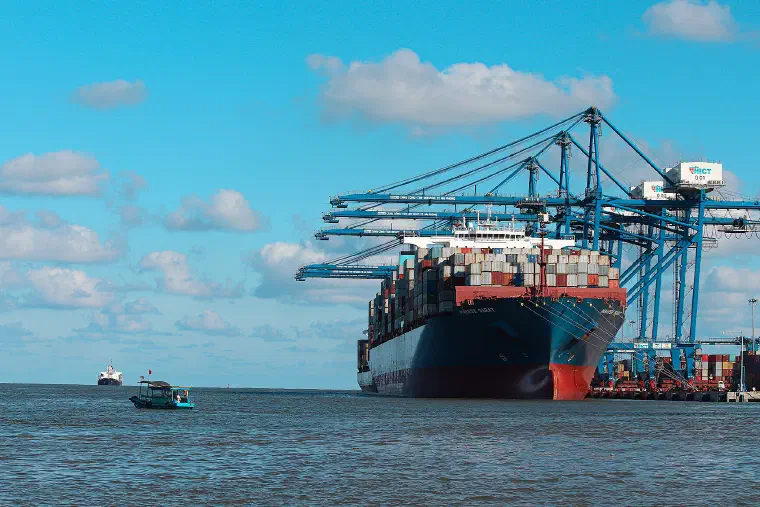
Donald Trump’s proposal to impose a universal baseline tariff of ten per cent on all foreign imports, alongside a sixty per cent levy on Chinese goods, has ignited fierce debate across corporate finance departments. While political rhetoric claims tariffs are paid by foreign exporters, the mechanics of international trade tell a fundamentally different story.

The Corporate Margin Incinerator
Empirical evidence from the 2018–2019 trade war demonstrates that import duties are absorbed almost entirely by domestic importers, who must either accept lower gross operating margins or pass the costs onto consumers through higher retail prices. For retail and manufacturing balance sheets, universal tariffs act as an unhedged operational cost inflation that directly depresses corporate earnings quality.


Universal tariffs are not a painless toll extracted from foreign adversaries; they are an unhedged tax on domestic corporate supply chains that directly erodes corporate gross margins.