Where are the tariff price rises?
Inventory buffers delay pass-through
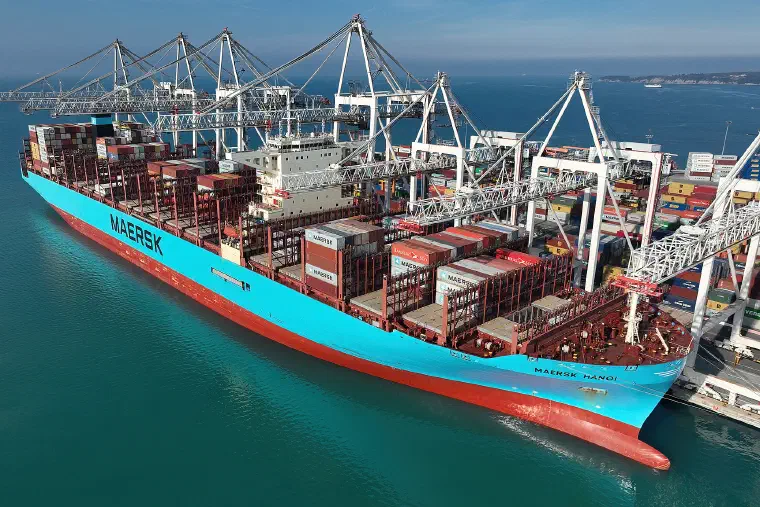
Despite months of aggressive protectionist rhetoric and escalating border levies, official consumer price data continues to defy stagflationary warnings. The April consumer price index printed at a modest 2.3 per cent year-on-year, leaving financial market commentators and policymakers asking an obvious question: where are the anticipated tariff price increases?


The Inventory Buffer Lag
The transmission of border duties into retail shelf prices operates with substantial, variable time lags. The historic surge in pre-tariff inventory accumulation during the first quarter flooded corporate balance sheets with low-cost, pre-duty merchandise. Retailers, wholesale distributors, and industrial manufacturers are currently satisfying consumer demand from existing safety stock, insulating end-users from current import taxes.

Margin Compression Precedes Pass-Through
Furthermore, in an environment of selective consumer spending, retail giants and consumer packaged goods companies are initially absorbing border taxes within their own gross profit margins rather than risking immediate market-share loss. However, as high-cost, tariffed inventory cycles onto warehouse shelves over the summer months, margin absorption will reach its limits. The absence of tariff inflation in the April CPI is a temporary accounting artifact of pre-stocked inventories; consumer price pass-through will accelerate sharply once low-cost safety stocks are fully exhausted.