When will importers get their money?
Liquidation status drives timing
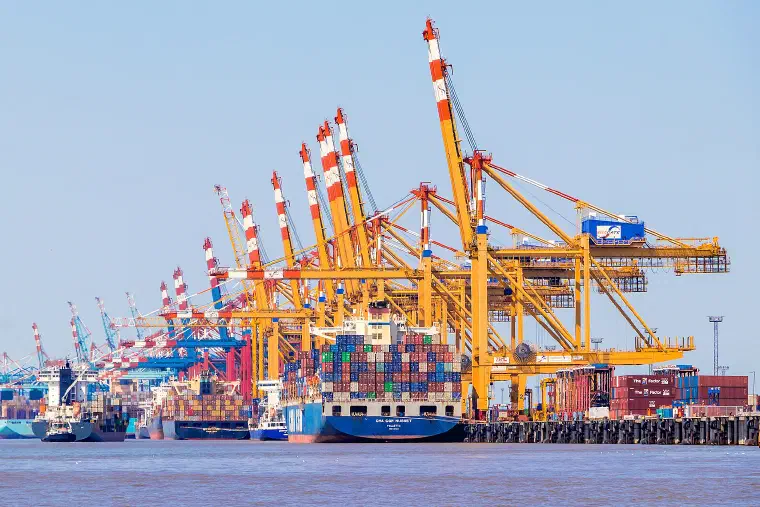
As corporate legal departments celebrate court-mandated tariff refund decrees, quantitative trade analysts and customs attorneys delivered a sobering operational reality check: when will commercial importers actually receive their physical cash?


The Unliquidated Entry Bottleneck
The timing of refund disbursements is dictated entirely by a technical customs status: whether an import entry is 'liquidated' or 'unliquidated.' When goods clear American ports, entries remain legally unliquidated for approximately 314 days while customs officers review valuation and classification. For the 20.1 million import entries that remain officially unliquidated, automated computer algorithms can reverse the tariff duty and issue electronic refund payments within weeks.
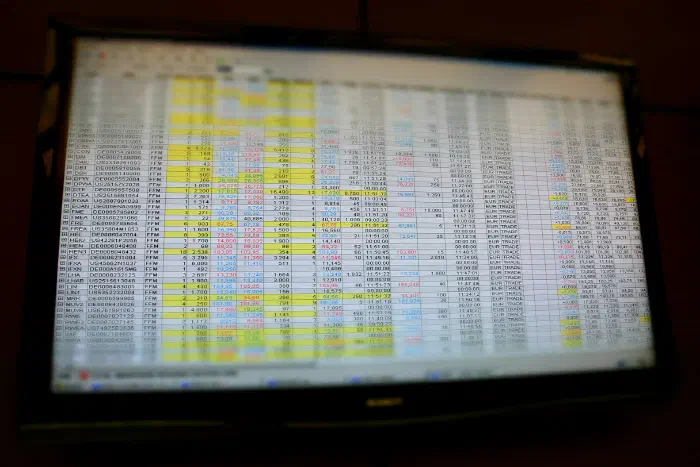

The Multi-Year Protest Backlog
However, for the tens of millions of entries that have already formally liquidated, importers are legally required to file individual, manual 1520(c) administrative protests. US Customs and Border Protection lacks the clerical workforce to process tens of millions of manual claims. The $166 billion tariff refund is a tale of two corporate classes: large importers with unliquidated entries will receive immediate automated wire transfers, while smaller firms with liquidated paperwork face a grinding, multi-year bureaucratic slog to reclaim their capital.