What if the tariffs have to be refunded?
Refund exposure if IEEPA falls
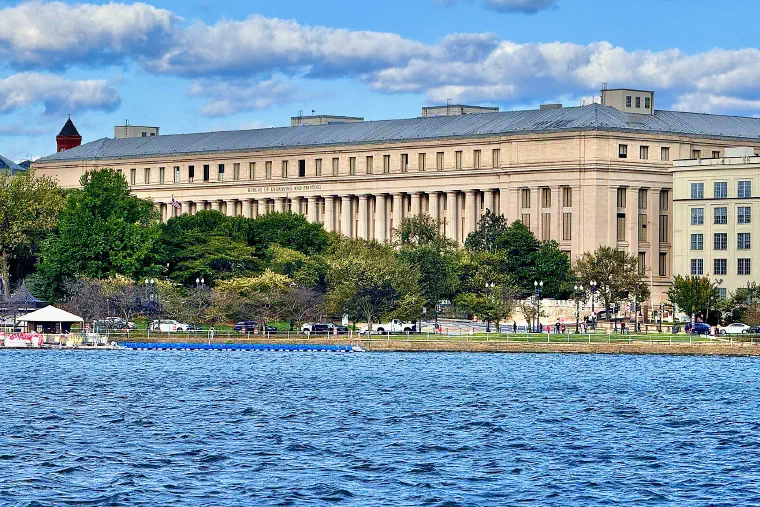
The Supreme Court of the United States heard oral arguments on 5 November in the landmark challenge to the administration’s use of the International Emergency Economic Powers Act (IEEPA) to impose across-the-board border tariffs. The questioning from the justices indicated deep skepticism of executive authority, opening up an existential question for federal finance: what happens if the tariffs must be refunded?
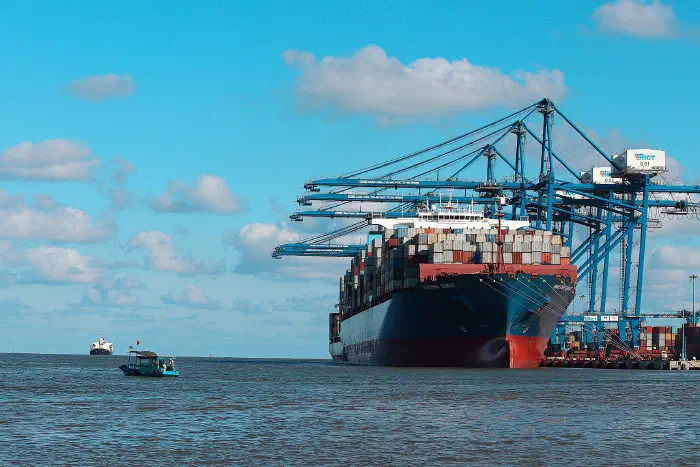

The $130 Billion Refund Liability
Should the high court strike down the emergency tariff regime, the federal government faces a catastrophic legal liability: refunding upwards of $130 billion in collected duties back to American corporate importers. Because customs law mandates interest on improperly collected duties, the Treasury would be forced to issue immediate multi-billion-dollar refund checks, blowing a massive hole in federal cash balances.


Fiscal Borrowing Shock
For the Office of Debt Management, funding a sudden $130 billion corporate refund while losing $25 billion in monthly customs receipts is a sovereign nightmare. The shortfall would require an immediate, massive expansion in Treasury bill and coupon auction sizes. The Supreme Court’s impending tariff ruling holds the federal balance sheet hostage: voiding emergency trade taxes would deliver an enormous corporate earnings windfall, while forcing the Treasury into a multi-billion-dollar borrowing blitz to fund the refunds.