Walmart warns prices are going up
Retailer absorption vs price hikes
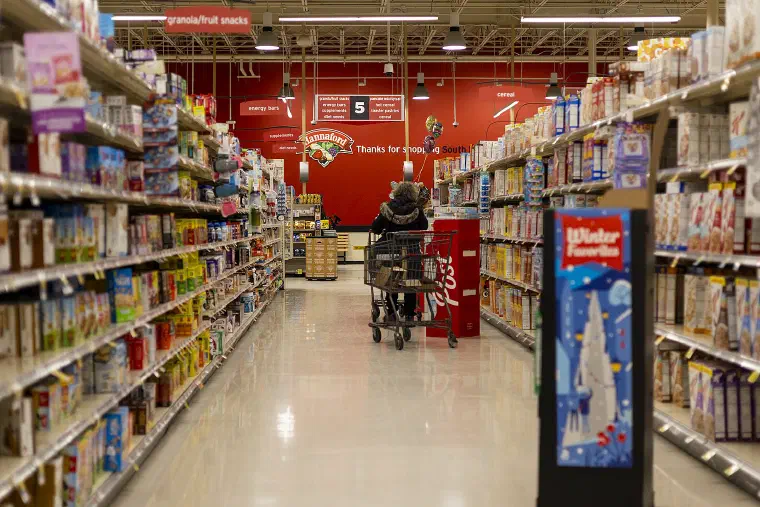
Walmart delivered a stark warning during its first-quarter earnings presentation that sent immediate chills through retail equity desks: the era of corporate tariff absorption has ended, and retail shelf prices are about to climb aggressively across consumer goods, apparel, and general merchandise.


The End of Balance-Sheet Absorption
For months, the world’s largest retailer utilized its unmatched supply-chain scale, vendor concessions, and operating margin buffers to shield consumers from border levies. However, with pre-tariff inventory reserves exhausted and baseline tariffs remaining live at 10 to 30 per cent across major sourcing origins, management conceded that corporate operating cash flows can no longer subsidize federal border taxes. The retailer announced that wholesale cost increases would be passed systematically into retail shelf tags.

The Consumer Elasticity Test
Walmart’s pricing shift represents a critical macroeconomic inflection point. When the nation’s lowest-cost mass merchandiser raises prices, everyday consumer price perceptions reset higher across the entire retail economy. Middle- and lower-income households, already allocating a growing share of wages to essential groceries and housing, will face renewed purchasing power erosion. Walmart's capitulation proves that tariffs cannot be permanently hidden inside corporate balance sheets: the retail price wave is now breaking directly upon the American consumer.