Trump's tariff letters arrive
Unilateral rate notices
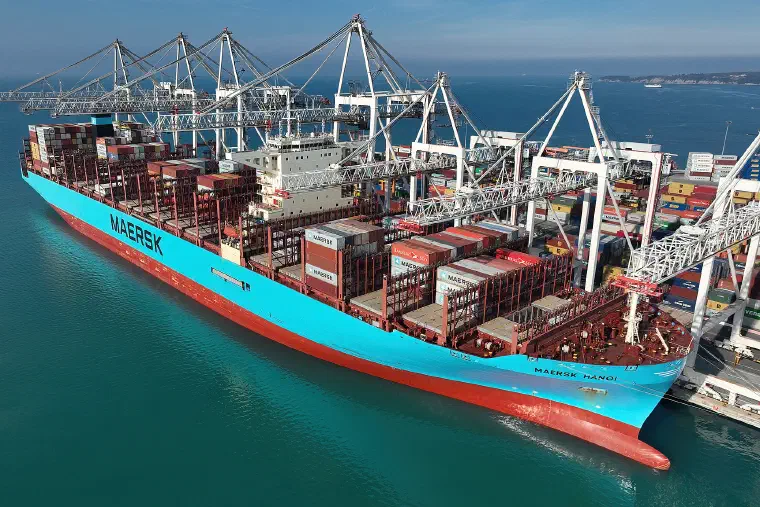
Diplomatic subtlety was officially abandoned as formal executive tariff letters landed on the desks of foreign heads of state across Tokyo and Seoul on 7 July. The missives delivered an uncompromising ultimatum: Japan and South Korea face an immediate 25 per cent across-the-board tariff on all merchandise exports to the United States unless bilateral trade concessions are signed within fourteen calendar days.

The Coercive Bilateral Playbook
By targeting key Asian geopolitical allies with unilateral tariff notices, the administration has demonstrated that strategic security alliances provide no immunity against trade mercantilism. South Korean semiconductor and battery conglomerates and Japanese automotive giants find their most lucrative export pipelines threatened with immediate closure. The unilateral notices are designed to shock allied governments into bypassing multilateral forums and capitulating to bilateral quotas.


Cross-Border Supply-Chain Hostages
The immediate operational consequence is total paralysis across transpacific procurement. Asian suppliers cannot absorb a 25 per cent margin penalty without shuttering assembly lines, nor can American technology and automotive companies replace specialized Japanese machine tools or Korean memory modules on two weeks' notice. The tariff letters reduce sophisticated international trade diplomacy to a high-stakes corporate protection racket, forcing allied economies to choose between sovereign trade dignity and economic eviction from the American market.