Trump moves to fire a Fed governor
Governance risk lifts long end
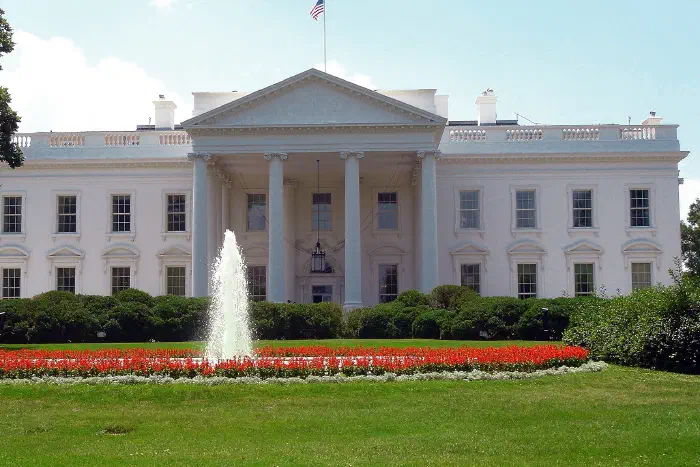
The White House ignited an unprecedented constitutional and financial crisis on 25 August by initiating legal proceedings to dismiss Federal Reserve Governor Lisa Cook prior to the statutory expiration of her term. The unprecedented attempt to remove a seated central bank governor for policy disagreements triggered immediate turmoil across sovereign debt markets.

The Threat to Statutory Central Bank Independence
Under the Federal Reserve Act, governors may only be removed by the President 'for cause'—traditionally interpreted as explicit malfeasance or severe incapacitation, not dissenting economic ideology. Challenging this statutory protection strikes directly at the institutional core of central bank independence. If a sitting executive can dismiss governors who vote against administrative rate preferences, monetary policy becomes subordinate to electoral cycles.


The Long-End Risk Premium
Bond markets responded not with celebration over lower policy rates, but with a violent sell-off at the long end of the Treasury curve. Thirty-year bond yields spiked as investors priced in long-term monetary debasement and institutional degradation. The attempt to fire a Federal Reserve governor shatters the institutional firewall separating politics from money creation, permanently injecting a severe governance risk premium into long-duration US sovereign debt.