The Supreme Court strikes down Trump's tariffs
Legal regime break in tariff series
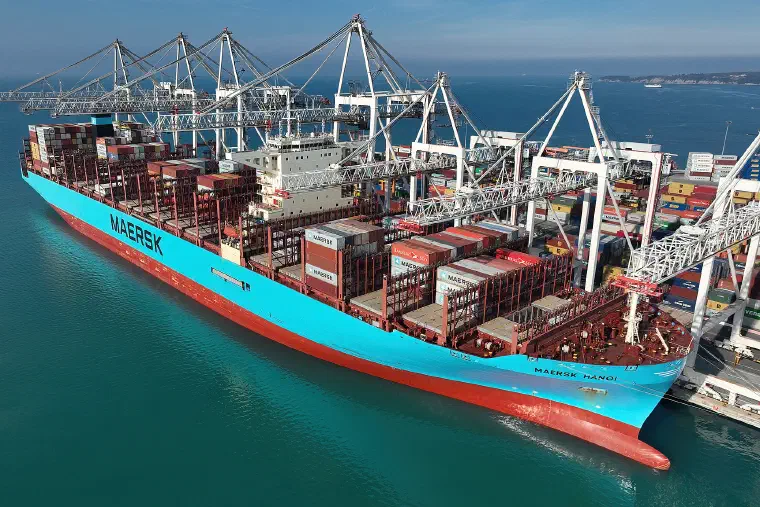
In a momentous 6–3 decision on 20 February, the Supreme Court of the United States struck down the administration’s across-the-board tariffs enacted under the International Emergency Economic Powers Act (IEEPA), ruling that the statute does not grant the executive unilateral authority to impose general trade taxes without congressional assent.
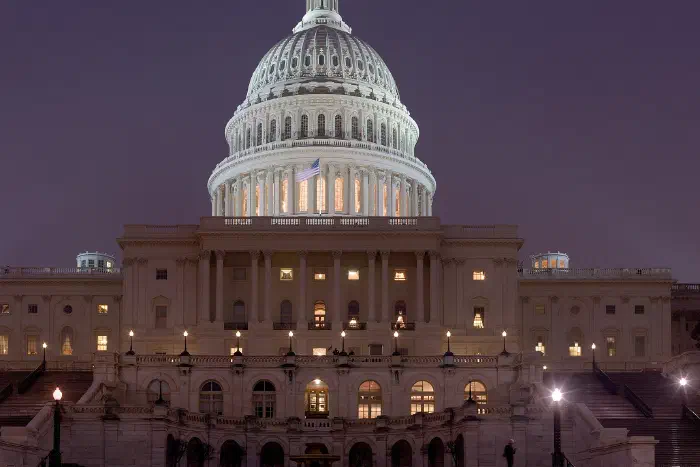

The Constitutional Regime Break
The high court's landmark ruling marks the most significant legal and macroeconomic regime break in modern commercial history. By invalidating the statutory foundation that governed bilateral trade for eighteen months, the court dismantled the administration's primary foreign policy and fiscal lever. Econometric models tracking tariff series and import duties were forced to reset to zero overnight.


The Corporate Liquidity Windfall
Equity markets staged an immediate, euphoric rally across retail, automotive, and technology shares, anticipating the removal of severe margin taxes and the return of billions in deposited duties. The Supreme Court’s 6–3 decision permanently re-establishes the constitutional boundary of trade policy: stripping the executive of unilateral tariff taxation and delivering an unprecedented corporate balance-sheet victory at the expense of federal fiscal projections.