The port strike that could hit Christmas
East/Gulf Coast closure risk to goods
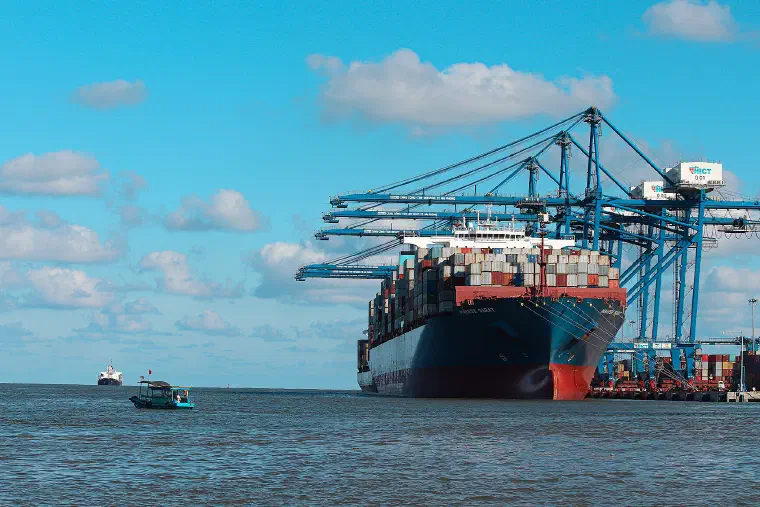
The shutdown of thirty-six major container ports along the US East and Gulf Coasts by 45,000 members of the International Longshoremen’s Association (ILA) delivered an immediate shock to retail and manufacturing supply chains. Handling half of all American containerized imports, the shuttered terminals threaten to disrupt the critical holiday retail inventory pipeline.


The Daily Cost of Bottlenecks
Each day the docks remain closed requires up to five days to clear the accumulated vessel backlog, stranding billions of dollars in perishable agricultural goods and retail merchandise at anchor. Ocean carriers have responded with immediate port disruption surcharges, while supply-chain managers scramble for air freight alternatives. A prolonged strike risks re-igniting goods inflation just as central banks celebrate price stability.
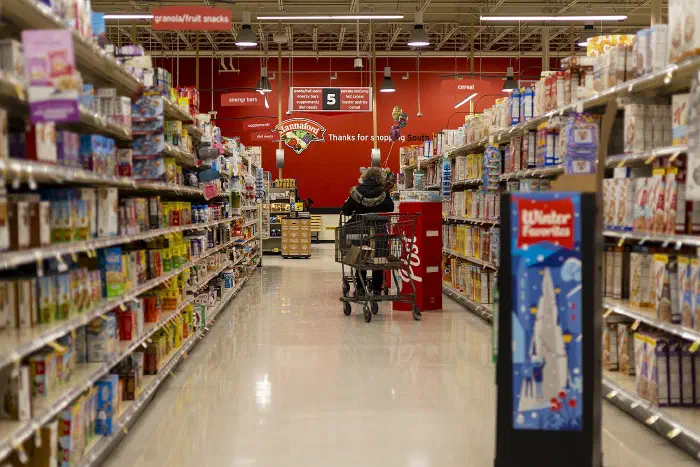

The East Coast port strike proved that modern just-in-time supply chains remain acutely fragile, demonstrating how maritime labor disputes can instantly reimpose supply-chain cost friction.