The import rush that will shrink GDP
Front-running distorts net exports
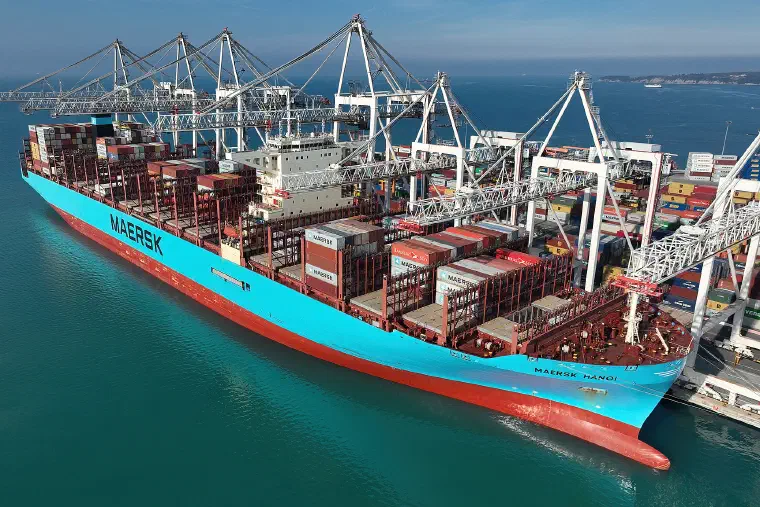
The US merchandise trade deficit exploded to an astonishing record of approximately $162 billion for March, driven by an unprecedented stampede of commercial importers rushing to bring goods into American ports ahead of punitive tariff deadlines. While this surge clogged logistics networks and filled every available West Coast warehouse, national income accountants are preparing for the inevitable statistical hangover.


The Front-Running Inventory Bubble
Commercial enterprises engaged in frantic pre-tariff stockpiling, pulling forward months of planned inventory purchases to avoid border levies. Retailers chartered dedicated container vessels to import furniture, footwear, and consumer electronics, while industrial fabricators hoarded steel and electronic components. This import surge required an extraordinary drain on corporate cash reserves and working capital credit lines, creating artificial short-term freight rate spikes.


The Net Export GDP Drag
Because imports enter the gross domestic product expenditure calculation as a direct subtraction, the $162 billion trade deficit represents a massive mechanical deduction from headline first-quarter economic growth. When the inventory front-running abruptly stops in the second quarter, port activity will collapse into a severe logistical drought. The historic pre-tariff import rush manufactures an artificial statistical distortion: it dramatically suppresses first-quarter headline GDP today, while setting the stage for severe inventory destocking and cargo stagnation tomorrow.