The Fed slows its balance-sheet shrinking
Slower runoff delays reserve scarcity
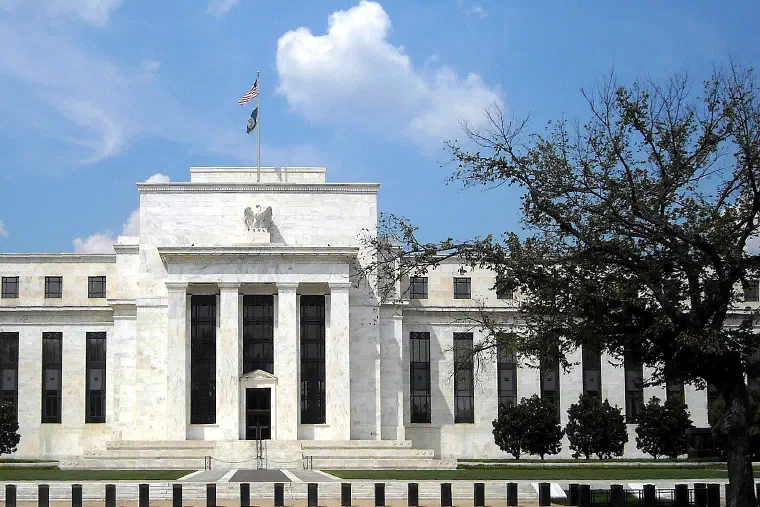
At its May policy meeting, the Federal Reserve delivered an important structural adjustment to its monetary plumbing by announcing a substantial taper of its quantitative tightening (QT) programme. Starting in June, the monthly cap on maturing US Treasuries allowed to run off without reinvestment will be slashed from $60 billion to $25 billion.


Preserving the Reserve Buffer
By slowing the pace of balance-sheet runoff, Jerome Powell is attempting to avoid a repeat of the September 2019 repo market seizure. With the Overnight Reverse Repo facility rapidly depleting, continuing QT at full throttle would soon drain cash directly from bank reserves. Tapering runoff extends the runway of balance-sheet reduction while minimizing the risk of a catastrophic wholesale funding crunch.


Tapering quantitative tightening is an essential precautionary move by the Fed, designed to forestall money market volatility before balance-sheet runoff starts cannibalizing critical bank reserves.