The Fed sees slower growth and higher prices
Growth down, inflation up
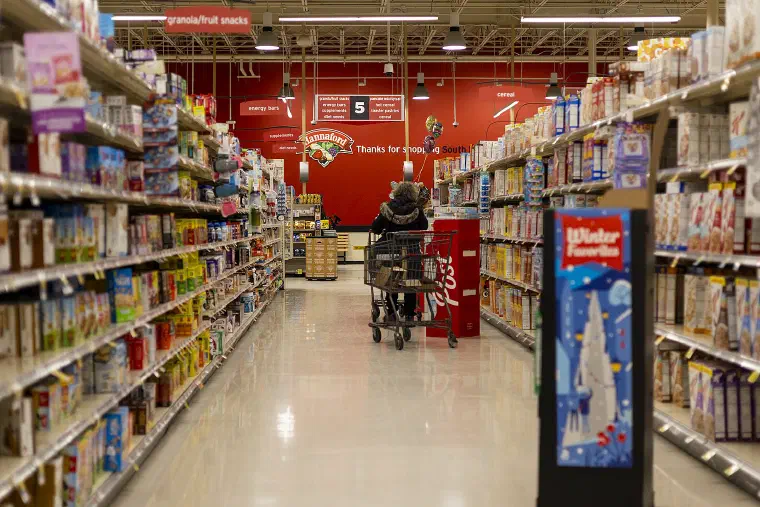
The Federal Open Market Committee’s updated Summary of Economic Projections delivered a sobering reality check to market participants hoping for a smooth economic landing. Central bank policymakers officially downgraded their 2025 GDP growth forecast to 1.7 per cent while simultaneously elevating their core personal consumption expenditures (PCE) inflation expectation to 2.8 per cent: the classic econometric signature of stagflationary friction.
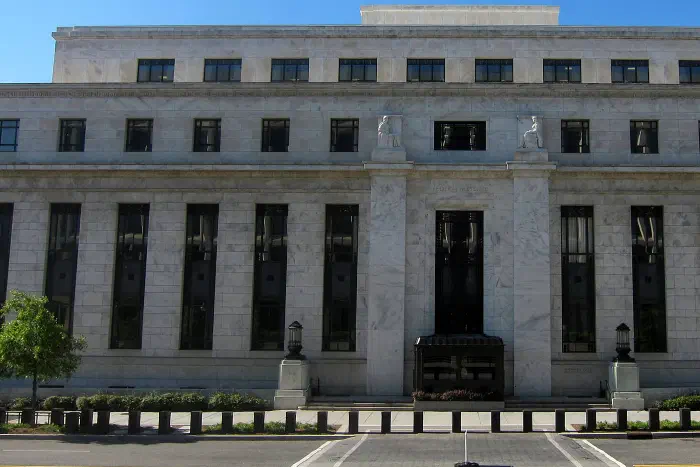

The Stagflationary Conundrum
When economic growth decelerates while underlying price pressures accelerate, standard central bank reaction functions become paralyzed. Lowering interest rates to support softening labor markets risks entrenching above-target inflation expectations. Conversely, holding benchmark policy rates restrictive to crush lingering price momentum threatens to transform a mild economic slowdown into a severe balance-sheet contraction.
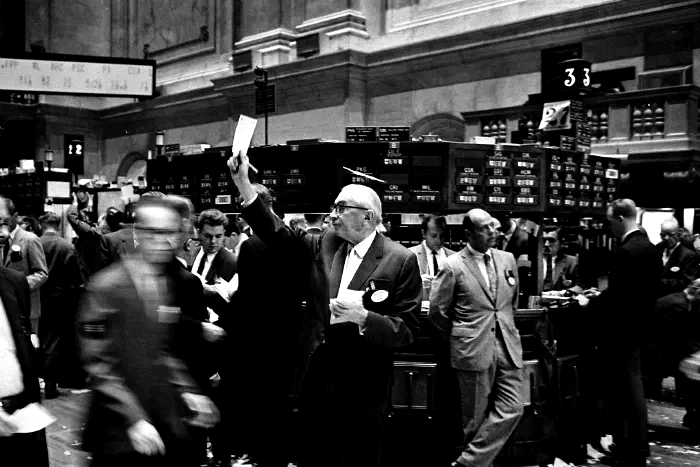

The Policy Paralysis
Chairman Powell and his colleagues are navigating an operational corridor dictated by external cost-push shocks rather than internal demand overheating. With trade tariffs and structural supply-chain realignments elevating unit costs across the economy, monetary policy cannot resolve the underlying friction without driving aggregate demand into deep distress. The Fed's downgraded growth and upgraded inflation forecasts acknowledge that monetary policy has reached its structural limits, trapping central bankers in an uncomfortable regime of stagflationary compromise.