The Fed's money drain is about to get real
RRP buffer exhaustion shifts drain to reserves
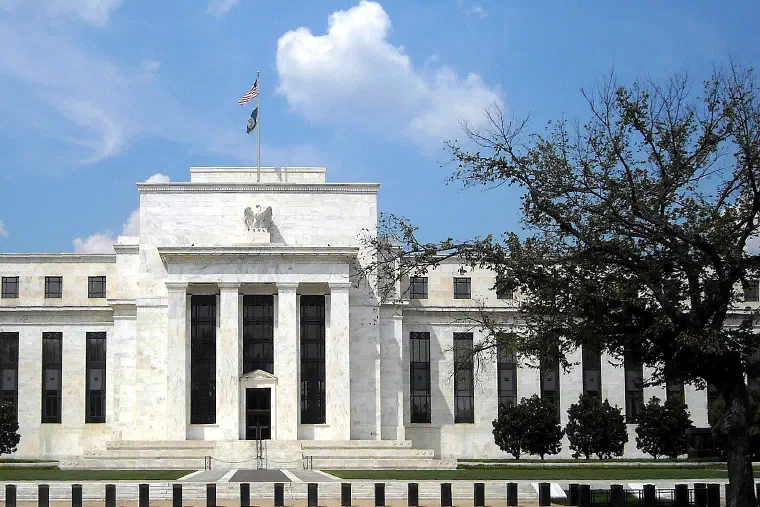
The Federal Reserve’s quantitative tightening (QT) programme has operated quietly in the background, absorbing nearly $1 trillion in sovereign and mortgage debt without disrupting financial plumbing. This effortless balance-sheet reduction was made possible by the Fed's Overnight Reverse Repo (ON RRP) facility, which absorbed the liquidity drain as cash departed the RRP rather than commercial bank reserves. That buffer is rapidly vanishing.


The Reserve Drain Frontier
Having plunged from over $2.5 trillion to roughly $700 billion, the RRP facility is on track to empty by mid-year. Once the RRP is exhausted, every dollar of ongoing QT will be extracted directly from commercial bank reserves. When bank reserves begin to shrink toward the 'lowest comfortable level of reserves' (LCLOR), wholesale money market volatility will return, forcing the Fed to slow or halt its balance-sheet runoff.
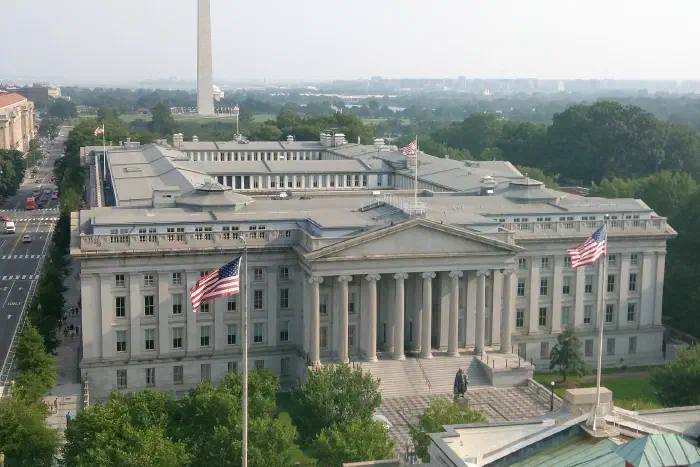

Quantitative tightening has enjoyed a frictionless ride by draining surplus RRP cash, but the real test begins when balance-sheet runoff starts cannibalizing essential bank reserves.