The Fed cuts, cautiously
Insurance easing; 50bp dissent
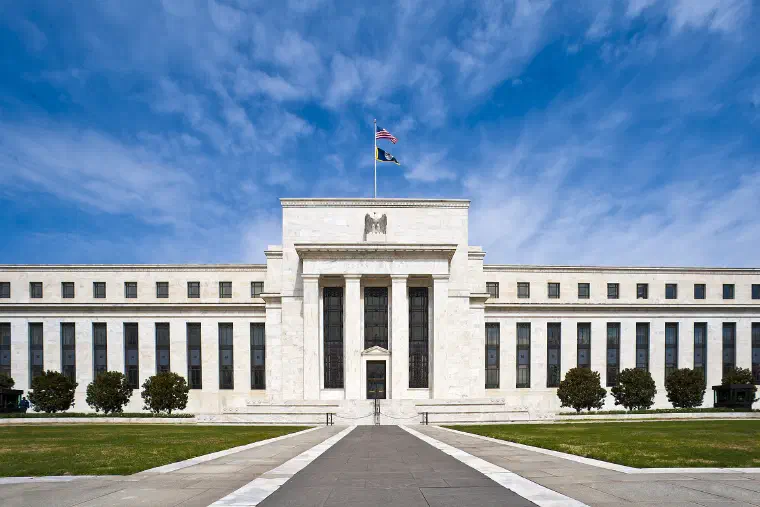
The Federal Open Market Committee officially initiated its monetary easing campaign, lowering the target federal funds rate by 25 basis points to a range of 4.00 to 4.25 per cent. The policy statement emphasized that the move was an 'insurance easing' designed to support a softening labor market, but the decision was marred by a contentious 50-basis-point dissenting vote.

The Dissent as a Forward Indicator
The formal dissent in favor of a larger half-point reduction highlights the mounting anxiety within the committee regarding the rapid deceleration in employment growth. Slower hiring and massive benchmark downward revisions have convinced dovish members that monetary policy is operating far behind the economic curve. However, Chairman Powell managed to secure a cautious quarter-point consensus by pointing to lingering tariff cost pressures.


The Limits of Cautious Easing
A measured quarter-point rate reduction provides minimal immediate relief to corporate borrowers facing debt refinancing cliffs or consumers burdened by eight per cent auto loans. The Fed's cautious 25-basis-point cut is a classic central bank compromise: delivering enough monetary relief to acknowledge labor market distress, while preserving sufficient ammunition should tariff-induced price spikes return.