The Fed and the market disagree. Someone is wrong
Market-implied path vs SEP median
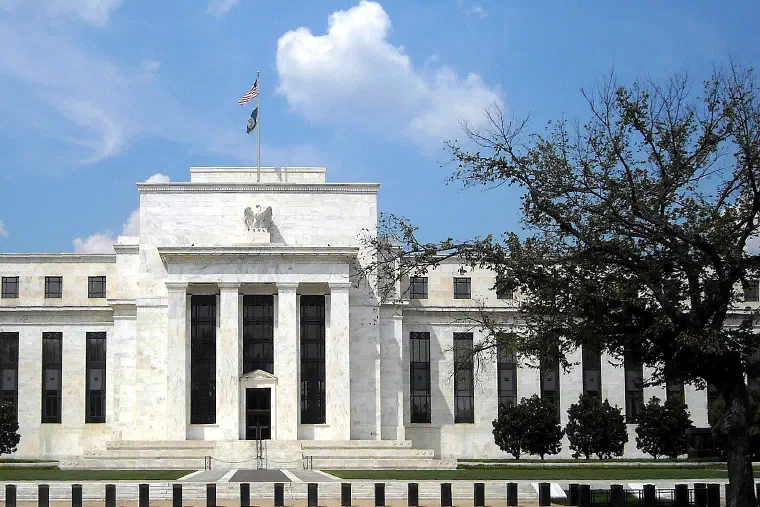
The Federal Open Market Committee raised the benchmark policy rate to a range of 4.25 to 4.50 per cent in December and published a Summary of Economic Projections that penciled in a terminal rate of 5.1 per cent for 2023. Yet futures markets immediately priced in a peak below 4.9 per cent followed by 50 basis points of rate cuts before year-end. This is not an ordinary difference in tactical forecasting; it is a fundamental institutional showdown. Either the Federal Reserve will abandon its stated resolve under the pressure of incoming economic deceleration, or fixed-income markets are nursing a delusion that will end in a violent repricing.
The market’s cynicism is rooted in fifteen years of institutional muscle memory. Since the global financial crisis, central banks have consistently blinked at the first sign of equity drawdowns or credit spread widening.

The Pivot Reflex
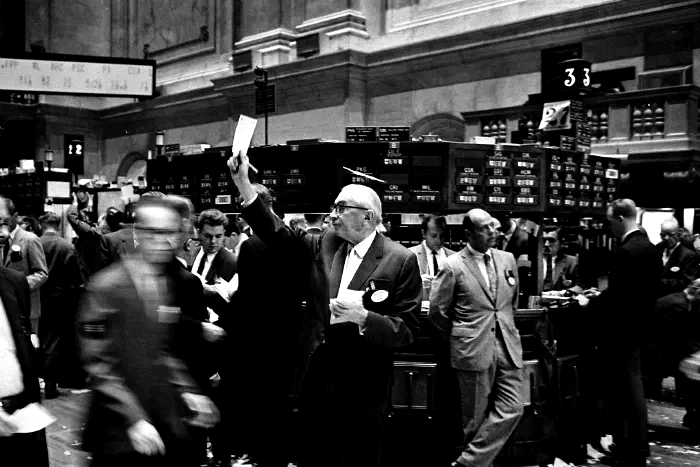
Bond traders are betting that rising unemployment and decelerating sequential inflation prints will panic Jerome Powell into reverting to the familiar playbook of the "Fed put". By pricing in rate cuts within six months of the terminal rate, markets are assuming that the committee views mild recessionary pressure as an unacceptable outcome.
This thesis, however, fundamentally misjudges the institutional trauma of having permitted inflation to reach 9 per cent. For Powell’s FOMC, the reputational hazard of cutting rates prematurely—only to see inflation re-accelerate as in the 1970s—vastly outweighs the cyclical cost of a modest economic contraction.


The Inevitable Convergence
The gap between the 5.1 per cent dot and market pricing represents an unhedged volatility wedge. If the Fed remains on hold throughout 2023 as promised, short-term swap curves must violently upwardly reprice, inflicting heavy mark-to-market losses on funds positioned for easing.
Conversely, if the market proves correct and cuts materialise, it will not be because of an immaculate disinflation, but because severe financial plumbing failures force an emergency bailout. The current disconnect between central bank rhetoric and market pricing is fundamentally unstable: either bond traders will be forced to capitulate to the Fed's hawkish baseline, or policy rates will only fall amidst structural systemic distress.