The debt deal that changes almost nothing
Spending caps vs structural deficit
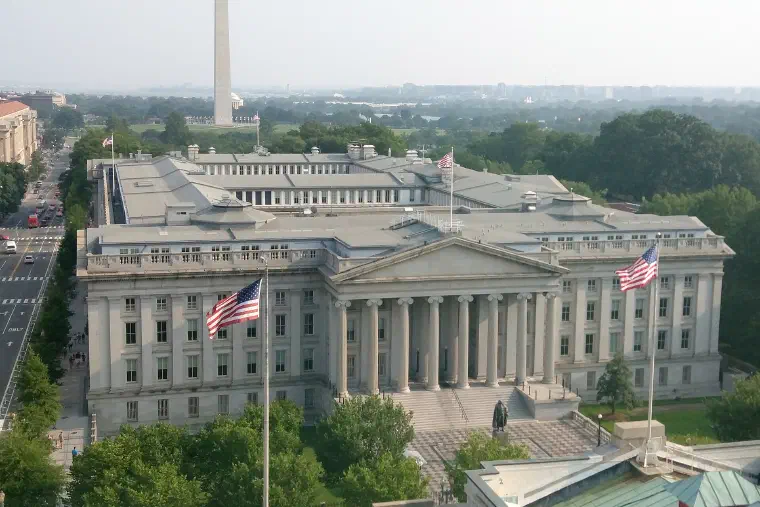
Fiscal summits in the US capital resemble nothing so much as a collective exercise in accounting cosmetic surgery. The 27 May agreement to suspend the federal debt ceiling through 2025 has been hailed by its architects as a triumphs of bipartisan restraint. Yet stripping away the legislative rhetoric reveals a spending compromise that barely grazes the trajectory of the nation’s structural fiscal deficit. Discretionary spending caps offer a soothing optical illusion while leaving the explosive growth of mandatory entitlements and net interest entirely untouched.


The Arithmetic of Deception
With sovereign debt servicing costs accelerating alongside benchmark policy rates, interest expense alone will dwarf the projected expenditure savings within three quarters. Freezing non-defence discretionary outlays does not alter the fundamental reality that the United States is operating a wartime deficit during an era of peacetime full employment. Bond markets recognise that the debt trajectory has not been flattened; it has merely been granted legislative immunity for another eighteen months.
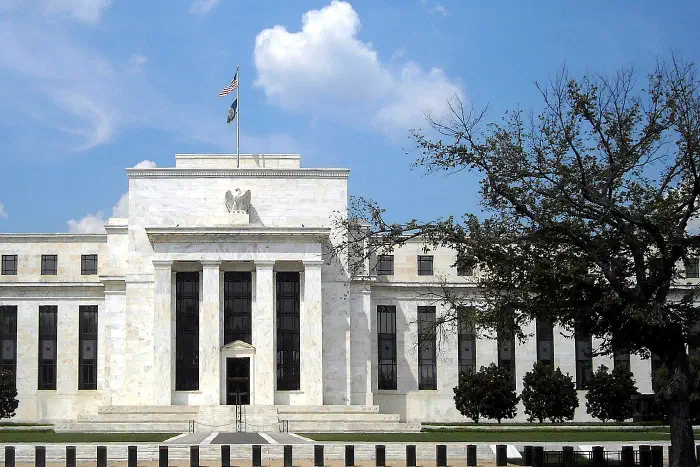

By deferring substantive fiscal reform until after the next presidential election, Washington has guaranteed that sovereign term premia must drift higher to clear an unconstrained supply of public debt.