The carry trade that blew up
Funding-currency squeeze unwinds leverage

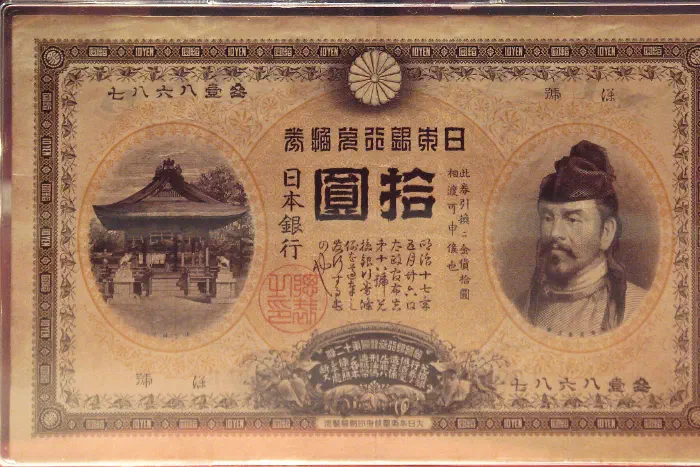
The violent global market dislocation of early August was not caused by geopolitical conflict or corporate insolvency; it was the mathematical unwinding of the global yen carry trade. As the Bank of Japan hiked rates while the Federal Reserve signaled imminent easing, the yen staged a ferocious rally from 161.9 to roughly 142 per dollar, triggering a cascading liquidity liquidation.

The Forced Liquidation Cascade
Global hedge funds that borrowed cheap yen to fund leveraged bets in global tech equities, Mexican pesos, and sovereign bonds faced massive margin calls. To cover their appreciating yen liabilities, allocators were forced into indiscriminate, firesale liquidations of their most liquid assets. The episode was a textbook demonstration of how an obscure funding-currency squeeze can instantly destabilize global asset valuations.

The great yen carry trade unwind exposed the hidden plumbing of global leverage, proving that an abrupt shift in funding-currency rates can vaporize market liquidity across the globe.