Tax Day: The biggest tax rise in decades isn't in the tax code
Tariffs as consumption tax
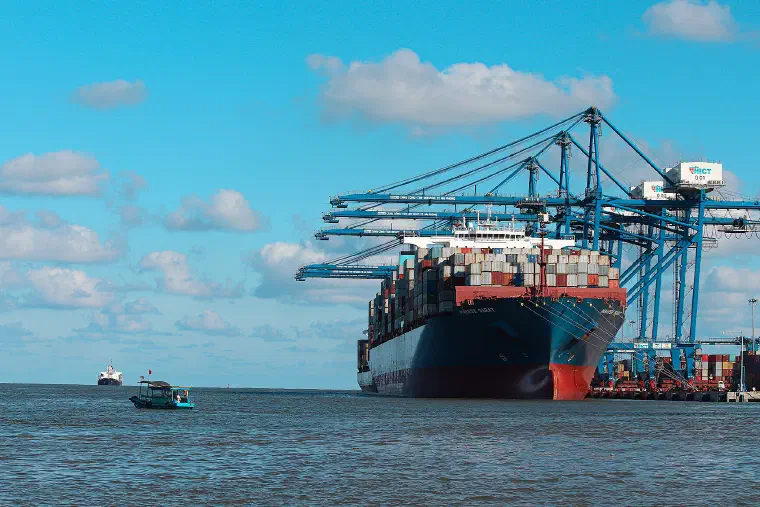
On Tax Day, American corporations and households were reminded that the largest federal revenue expansion in modern history was enacted without a single vote in the House Ways and Means Committee. According to Yale Budget Lab estimates, the administration’s escalating tariff architecture has lifted the effective national tax rate by approximately 22 per cent, operating as an enormous, regressive national sales tax.


The De Facto National Consumption Tax
While income tax rates remained unchanged on paper, import duties operate mechanically as an indirect consumption tax levied at the port of entry. Unlike corporate profits taxes, which scale with net profitability, border taxes are paid regardless of cash-flow health. Because lower- and middle-income households spend a significantly higher percentage of their disposable earnings on imported consumer goods, appliances, and apparel, the tariff burden falls disproportionately on those least able to absorb it.

Corporate Cash-Flow Absorption
For corporate balance sheets, tariffs function as an immediate working capital deduction. Importers must remit duty cash to US Customs and Border Protection within ten days of vessel arrival, long before goods are processed, distributed, and converted into accounts receivable. By enacting an unlegislated 22 per cent consumption tax through border decrees, trade policy has engineered a stealth revenue transfer from private households and corporate treasuries directly to the federal sovereign balance sheet.