Tariffs still aren't showing up in prices
Pass-through timing

The release of the May consumer price index, showing headline inflation advancing at a restrained 2.4 per cent year-on-year, once again confounded expectations of an immediate tariff-induced inflationary surge. Yet monetary historians and supply-chain economists understand that pass-through pricing operates on a multi-stage calendar dictated by accounting cycles.
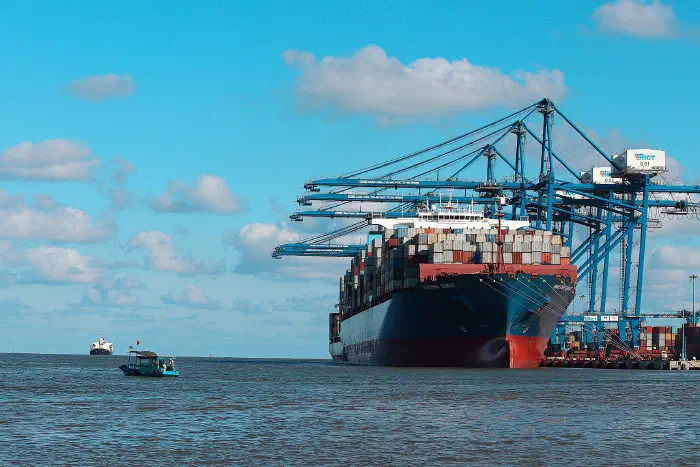

The FIFO Inventory Mechanism
Under First-In, First-Out (FIFO) corporate inventory accounting, goods entering warehouse storage months ago at pre-tariff landed costs are expensed first on corporate income statements. The massive front-running import surge observed in the first quarter created an inventory buffer that is only now being fully consumed. Furthermore, multi-national brand manufacturers typically adjust wholesale price lists semi-annually, meaning that border taxes paid in April and May will not be reflected on retail shelf tags until autumn catalog resets.
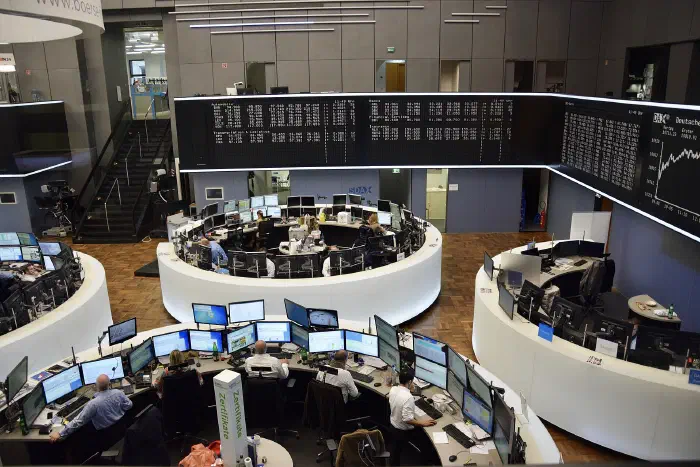

The Approaching Price Shock
Relying on lagging consumer price indices to claim that tariffs carry no inflationary consequence is a grave analytical error. Survey data from freight forwarders, customs brokers, and industrial purchasing managers confirm that wholesale landed costs have surged across every major imported merchandise category. The subdued May inflation print represents the calm before the pricing storm: as low-cost inventory layers are fully exhausted, the mechanical pass-through of double-digit border duties will hit consumer indices with undeniable force.