Tariffs raise $30bn a month. Not for long?
Refund risk on ~$30bn monthly receipts
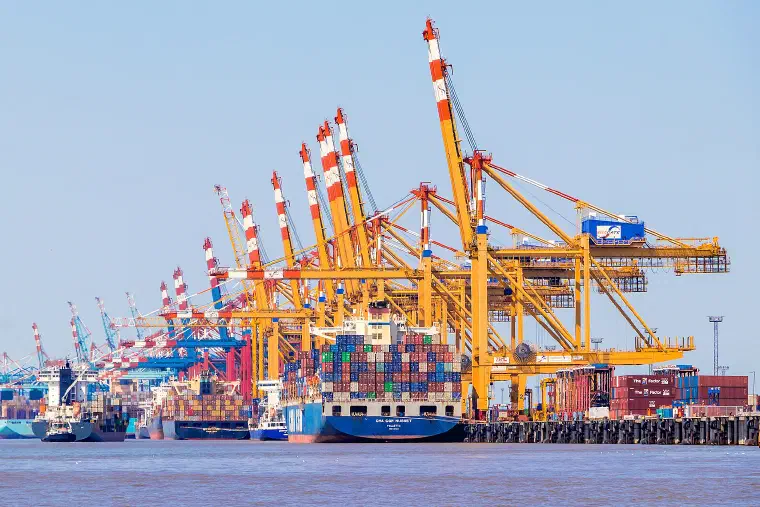
Federal customs collections reached an eye-popping run-rate of $30 billion per month in early 2026, anchoring federal revenue at historic highs. Yet inside the Treasury Office of Debt Management, the mood is one of profound dread: if the Supreme Court strikes down the underlying statutory authority, that $30 billion monthly cash flow will not only evaporate overnight, but transform into an immediate multi-billion-dollar refund liability.

The Sovereign Cash-Flow Reversal
Relying on trade tariffs to fund ten per cent of the federal government creates catastrophic budgetary vulnerability. Losing $360 billion in annualized customs receipts strips the Treasury of its primary non-legislative financing tool. Furthermore, under federal trade law, improperly collected duties must be refunded with statutory interest, turning past revenue windfalls into an explosive sovereign liability.

The Borrowing Avalanche
To plug the resulting cash-flow crater, Treasury debt managers would be forced to execute an emergency blitz of short-term bill issuance, overwhelming money markets and driving SOFR higher. Generating $30 billion a month in tariff receipts has given Washington a dangerous illusion of fiscal solvency; the impending judicial reckoning threatens to convert that revenue cushion into the largest sudden borrowing avalanche in modern Treasury history.