Tariffs go up, refunds go out
Refund order vs rate increase
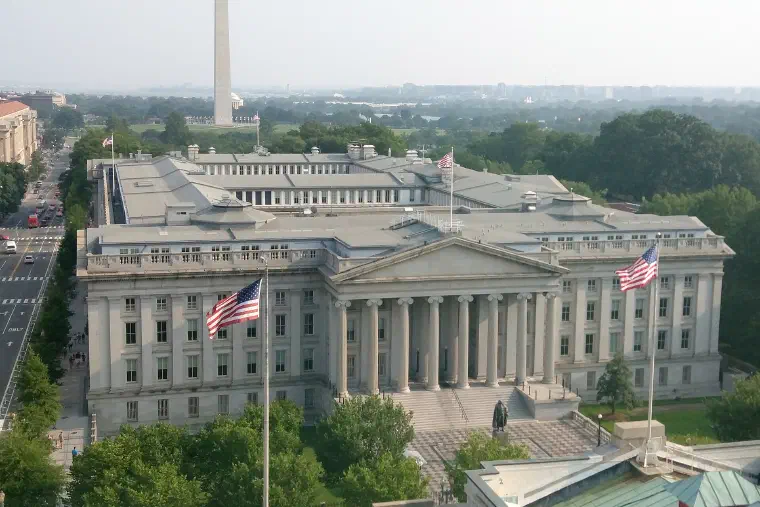
A surreal financial split-screen gripped Washington on 10 March: even as the administration announced plans to hoist Section 122 tariffs to the statutory maximum of 15 per cent, the US Court of International Trade issued a sweeping compliance order commanding US Customs to begin processing immediate multi-billion-dollar refunds for voided IEEPA duties.
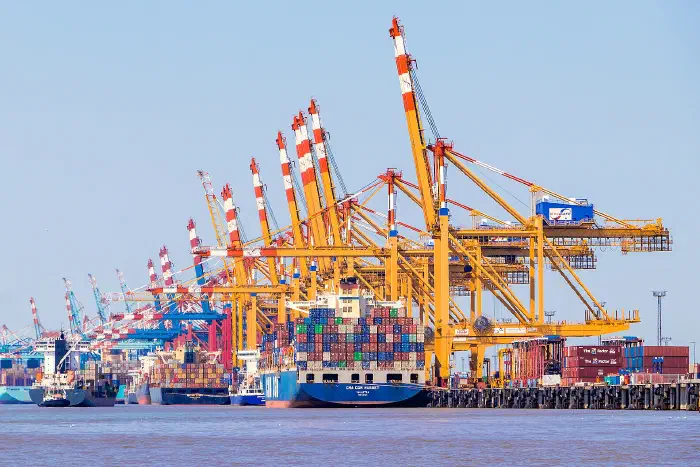

Fiscal Bipolarity in Action
The simultaneous rollout of higher border tariffs alongside court-ordered cash refunds illustrates the absolute incoherence of modern trade governance. While the executive attempts to extract new border duties to preserve diplomatic leverage, the judicial branch is actively draining the Treasury to compensate corporate victims of the prior unlawful trade regime. Corporate treasurers find themselves paying new 15 per cent surcharges with one hand while cashing refund checks with the other.
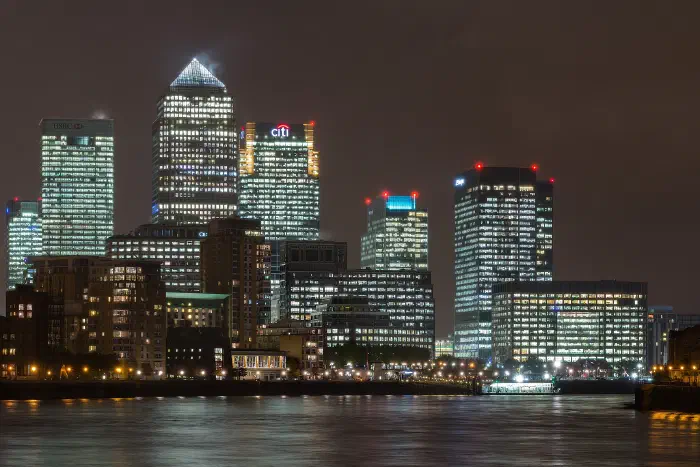

Bond Market Plumbing Stress
For fixed-income desks, this regulatory chaos represents an operational nightmare. The Treasury must issue hundreds of billions in new debt to finance court-ordered refunds, even as new border duties disrupt commercial flows and elevate headline inflation. Executing multi-billion-dollar tariff refunds while simultaneously escalating Section 122 surcharges is institutional madness, subjecting sovereign debt markets to violent borrowing shocks and commercial supply chains to complete administrative paralysis.