Switzerland's 39% shock
Concentrated export exposure
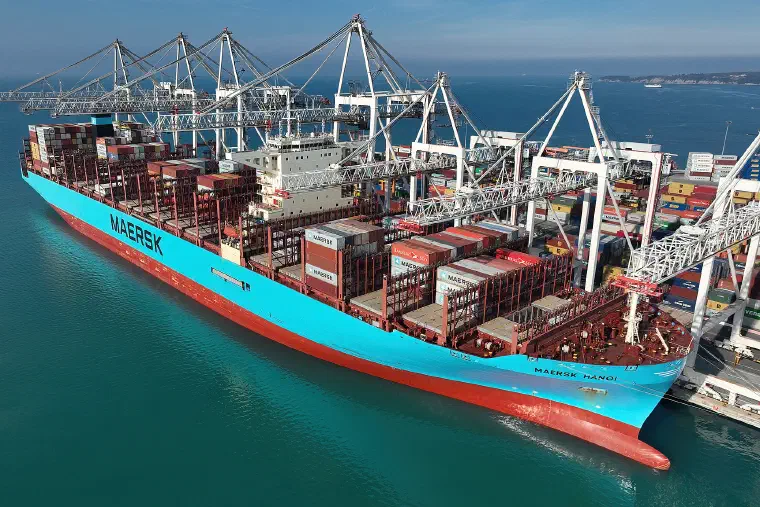
Switzerland was blindsided by the administration’s trade offensive, finding itself subjected to a crushing 39 per cent across-the-board tariff on all merchandise exports to the United States, taking effect on 7 August. The announcement sent shockwaves through Zurich and Basel, threatening the core pillars of the Swiss export economy.
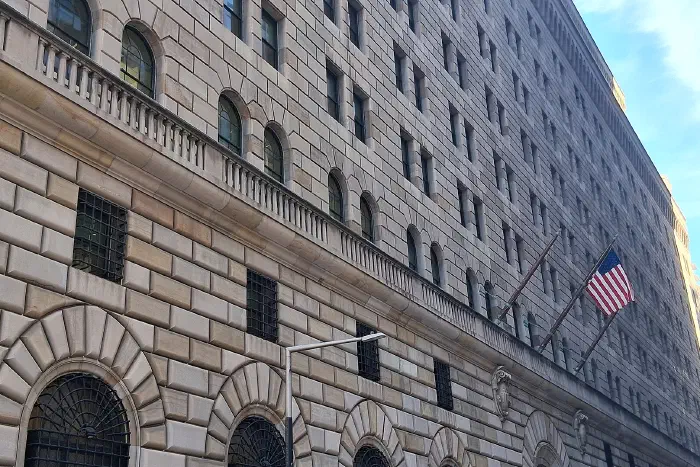

Concentrated Export Vulnerability
While Switzerland runs a substantial bilateral merchandise surplus with the United States, the imbalance is driven by two hyper-concentrated sectors: high-value pharmaceuticals and precision luxury timepieces. Unlike commoditized bulk goods, Swiss specialized pharmaceuticals—such as cancer therapies and immunology biologics—exhibit virtually zero short-term price elasticity. American healthcare networks and hospital purchasing groups face immediate cost inflation, as domestic production cannot substitute for Swiss pharmaceutical patents.
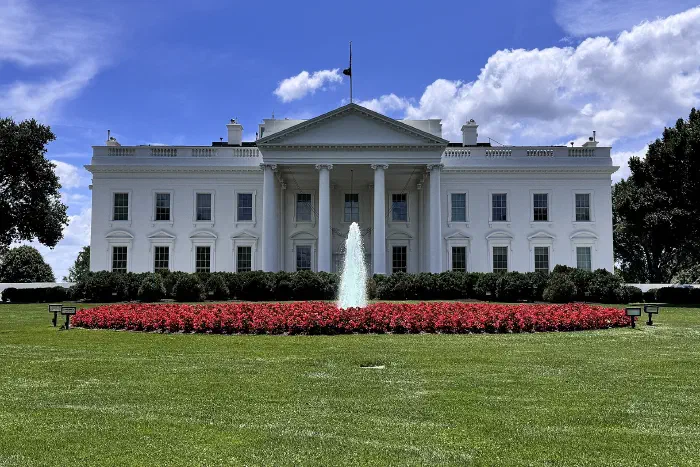

Currency and Safe-Haven Turmoil
The Swiss National Bank was forced to confront immediate monetary distortions. Rather than weakening, the Swiss franc experienced renewed safe-haven bids as global geopolitical uncertainty escalated, compounding the pain for domestic exporters. Subjecting Switzerland to a 39 per cent tariff reveals the mechanical blindness of trade policies targeting bilateral merchandise surpluses, inflicting massive cost inflation on US healthcare while battering Swiss industrial cash flows.