Steel tariffs just got a lot bigger
Metal-content basis replaced
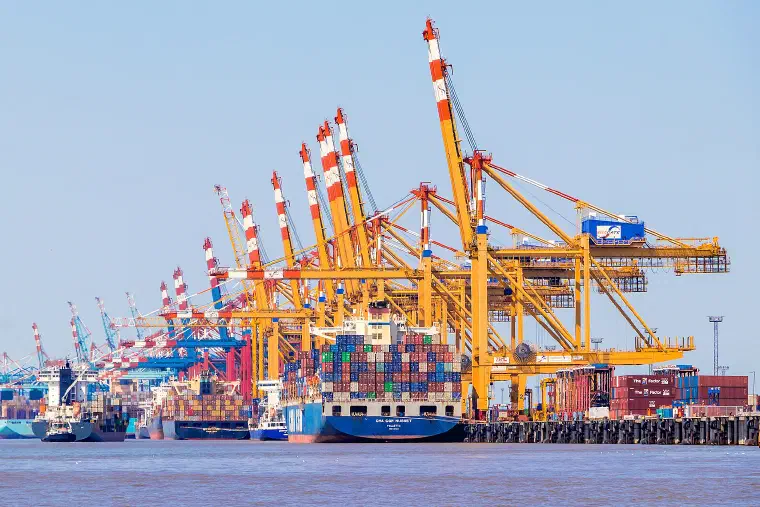
The administration executed a sweeping structural transformation of its metals protection regime on 6 April, replacing the narrow metal-content tariff calculation with an expansive 'full-value' basis: imported manufactured goods will now be taxed on their entire invoiced value if they contain any imported steel or aluminum components.


The Shift to Full-Value Taxation
Under the prior regulatory framework, an imported machine containing $1,000 of foreign steel was taxed only on the $1,000 metal component value. Under the new full-value decree, if a $100,000 piece of industrial equipment, automotive vehicle, or electrical appliance incorporates imported steel, the entire $100,000 finished product is hit with the punitive 25 to 50 per cent tariff. The regulatory shift dramatically expands the effective tax base across millions of manufactured goods.

Import Volume Contraction
Quantitative models indicate that shifting to full-value taxation will double federal customs collections on manufactured machinery while instantly rendering thousands of imported product categories commercially unviable. Expanding steel tariffs to the full value of finished goods transforms a targeted metals duty into a universal tax on complex industrial machinery, inflicting severe cost inflation across American domestic manufacturing and construction.