Steel tariffs double
Input cost surge for fabricators
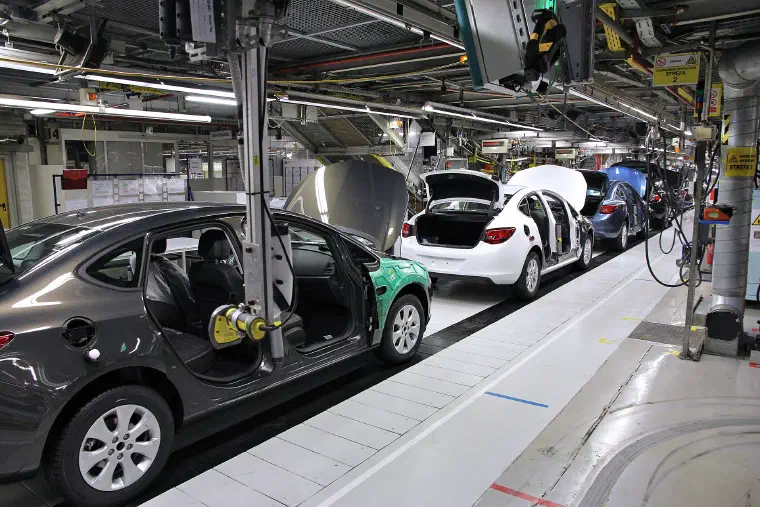
The White House delivered an unexpected and severe escalation in its metals protection doctrine, doubling baseline tariffs on imported steel and aluminum from 25 per cent to a staggering 50 per cent, effective 4 June. The move sent hot-rolled coil spot prices soaring in domestic markets, inflicting an immediate cash-flow shock across domestic industrial fabricators.
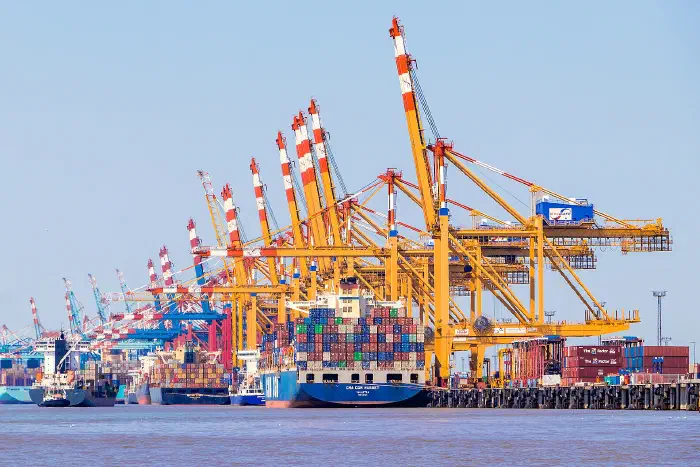

The Crushing Downstream Input Shock
At a 50 per cent border duty, foreign steel becomes completely unviable for American manufacturers. However, domestic blast furnaces and electric arc mills operate near practical capacity utilization limits and cannot instantly scale up production of high-grade specialized alloys, electrical steels, or heavy plate. Domestic manufacturers of industrial machinery, storage tanks, and transportation equipment face soaring spot input costs with zero near-term domestic supply alternatives.


Export Competitiveness Destruction
The broader tragedy of doubling metal tariffs is the wholesale destruction of downstream American export competitiveness. An American equipment manufacturer paying double the global benchmark price for structural steel cannot compete in third-party markets against European, Korean, or Japanese rivals procuring steel at global market rates. Doubling steel tariffs rescues primary domestic smelting margins at the direct expense of America's broader industrial manufacturing base, accelerating downstream factory retrenchment and margin erosion.