Singles' Day: China fixes its local debt, not its shoppers
Local-debt relief vs demand stimulus
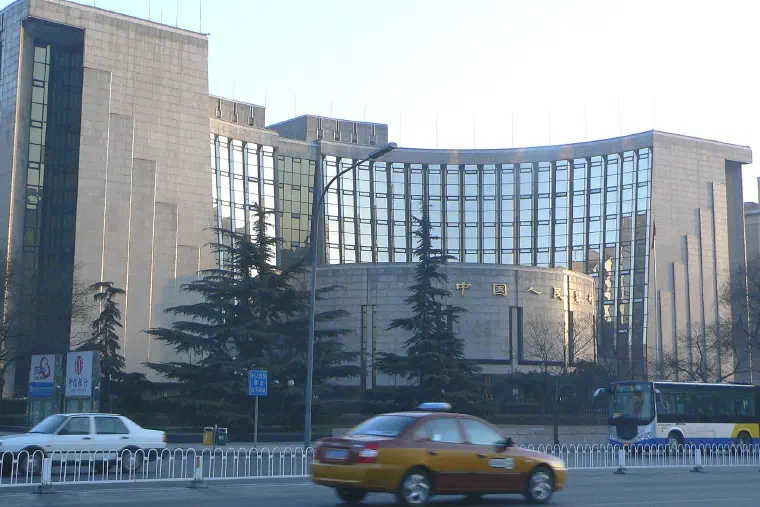
Beijing chose the eve of Singles’ Day to unveil its long-awaited fiscal stimulus package, but the announcement delivered a profound disappointment to retail market bulls. Standing before reporters, Chinese officials unveiled a RMB 10 trillion ($1.4 trillion) debt-swap programme designed to help local governments refinance hidden off-balance-sheet debt over five years.


Local Balance-Sheet Repair vs Household Cash
While the debt swap is essential to stabilize distressed municipal finances, it contained zero direct cash handouts, consumption vouchers, or welfare subsidies for ordinary Chinese consumers. Singles’ Day spending remains constrained by falling property values and fragile job prospects. Beijing is determined to use its fiscal firepower to de-risk municipal ledgers rather than ignite consumer animal spirits.

China’s RMB 10 trillion local debt swap will defuse municipal default risks, but refusing to deploy direct consumer stimulus ensures domestic retail spending will remain trapped in a deflationary rut.