Saudi Arabia's pipeline around the war
Red Sea bypass capacity
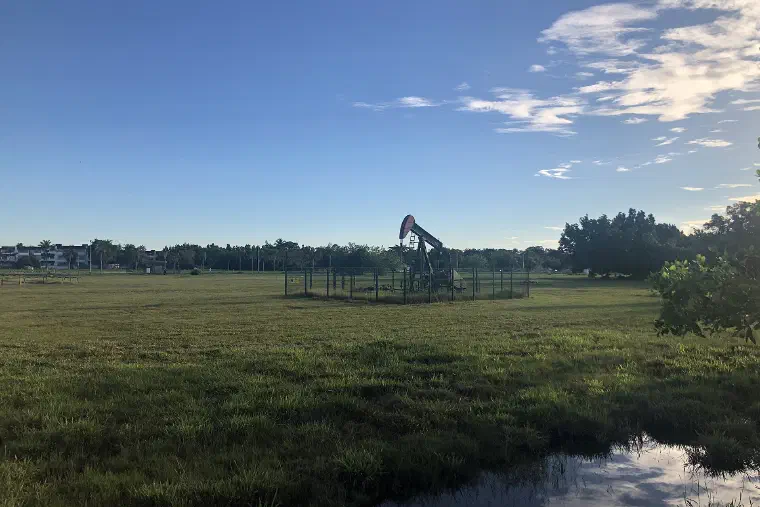
As commercial navigation through the Strait of Hormuz remained paralyzed, Saudi Arabia initiated an emergency operational pivot, maximizing throughput along its 746-mile East-West Pipeline to transport crude from Persian Gulf fields directly to Red Sea export terminals at Yanbu, bypassing the war zone entirely.


The Physical Bypass Capacity
The East-West Pipeline ('Petroline') represents the Middle East's primary strategic infrastructure hedge, boasting an operational capacity of approximately seven million barrels per day. By re-routing Arabian Light and Super Light grades westward across the desert, Saudi Aramco can maintain critical crude exports to European and Mediterranean refiners while avoiding the perilous Hormuz chokepoint.


The 13-Million-Barrel Shortfall
However, from a global balance perspective, seven million barrels of pipeline capacity leaves a massive supply deficit. With Hormuz historically clearing twenty million barrels daily, the East-West pipeline can salvage barely a third of normal Gulf exports, leaving Kuwaiti, Iraqi, and Emirati crude completely trapped behind the blockade. Saudi Arabia’s East-West pipeline provides a vital corporate lifeline for Aramco's western customers, but it cannot bridge the thirteen-million-barrel daily chokepoint deficit that is strangling the rest of the global energy complex.