Refiners are winning the war
Product tightness lifts margins
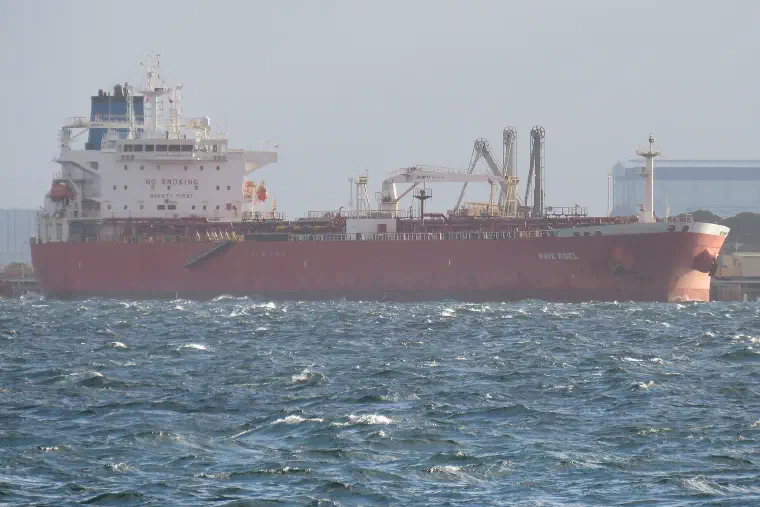
While airline balance sheets bleed and automotive manufacturers stall, the global refining complex is capturing an unprecedented financial windfall from the Persian Gulf crisis. With complex export refineries in Saudi Arabia and the UAE cut off from international markets, refined product cracks have exploded to record highs, delivering staggering cash flows to operational American refiners.


The Refining Crack Explosion
The Hormuz closure did not merely trap crude; it trapped millions of barrels per day of ultra-low sulfur diesel, jet fuel, and naphtha produced by state-of-the-art Gulf mega-refineries. The sudden removal of this product supply triggered an acute global shortage of middle distillates. Gulf Coast and European refiners with access to non-Gulf crude feeds are capturing diesel crack spreads exceeding $50 per barrel, generating extraordinary free cash flow conversion.

Goldman Sachs' Hundred-Dollar Baseline
Goldman Sachs commodities research reiterated that if maritime closure persists, Brent will comfortably maintain a $100+ baseline through the summer, ensuring that refining margins remain structurally elevated. The energy war has created an immaculate profit machine for Western merchant refiners: capitalizing on an acute global refined product shortage to print record operating margins while the rest of the global economy absorbs crushing fuel inflation.