Red Sea attacks threaten cheaper goods
Rerouting raises freight and lead times
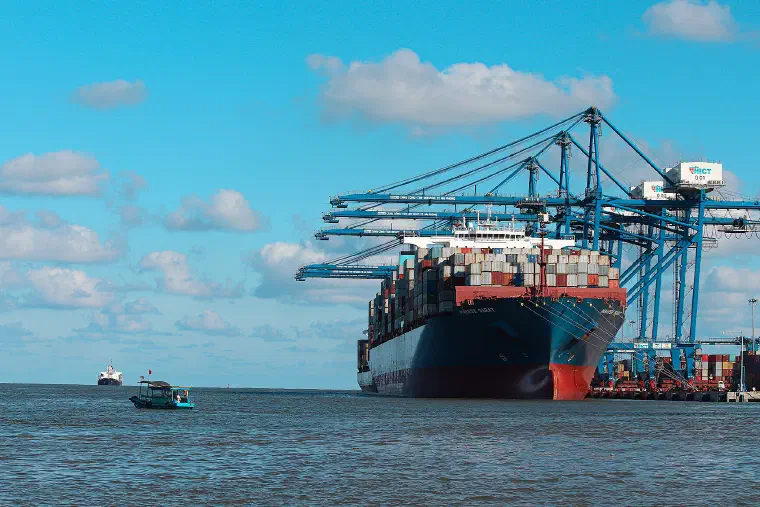
Houthi missile and drone strikes against commercial maritime shipping in the Bab el-Mandeb strait have forced global shipping giants, led by Maersk, to pause Red Sea transits. The strategic bottleneck handles twelve per cent of global seaborne trade, including a vital share of container traffic between Asia and Europe. The immediate economic consequence is a supply-chain shock that threatens to reverse recent goods disinflation.

The Cape of Good Hope Tax
Rerouting vessels around the Cape of Good Hope adds ten to fourteen days to transit times, burning thousands of tons of additional bunker fuel and tying up global container capacity. Spot container freight rates between Shanghai and Rotterdam have surged, while marine insurance surcharges have skyrocketed. Just as central bankers were celebrating the normalization of global supply chains, maritime geopolitics has delivered an unexpected supply-side inflation tax.


The Red Sea shipping crisis proves that global supply chains remain acutely fragile, demonstrating how a handful of regional skirmishes can instantly re-inflate international freight costs.