Proving your supply chain is clean will cost you
Forced-labour compliance costs
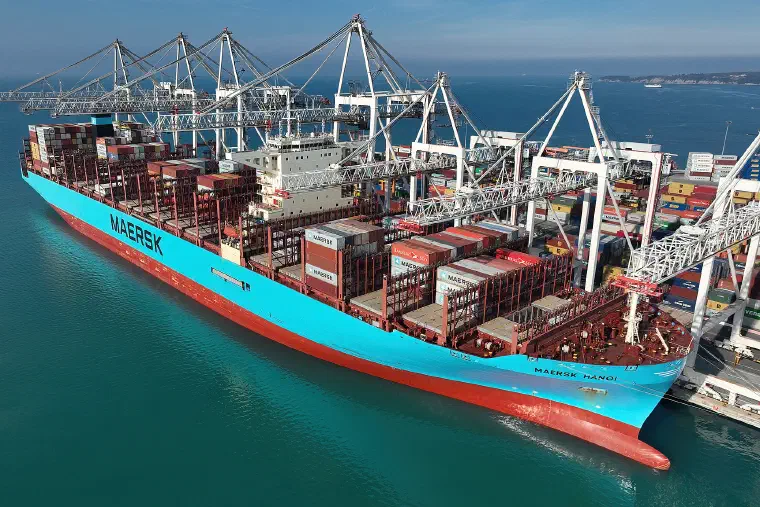
Corporate compliance departments and supply-chain logistics teams are confronting an immense, expensive operational hurdle: the formal launch of the administration’s sweeping Section 301 investigation on 2 June targeting alleged forced labor in foreign supply chains requires corporate importers to provide forensic, molecular-level proof of compliance for every imported component.
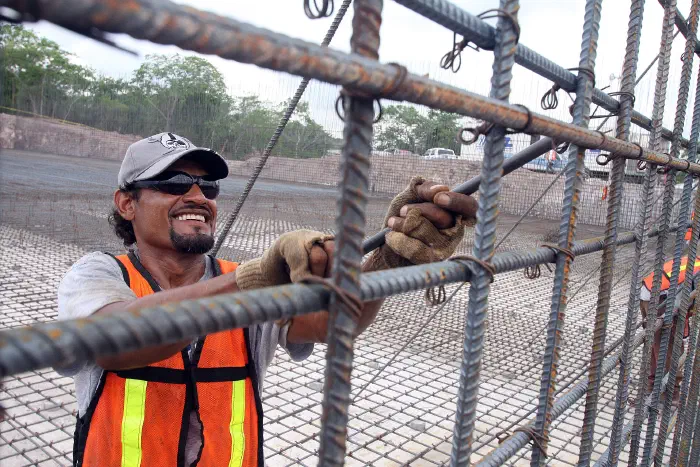

The Burden of Forensic Proof
Under the new enforcement rules, commercial importers cannot simply rely on standard vendor representations or third-party audit certificates. Customs authorities are demanding granular, immutable traceability documentation—spanning satellite imagery of cotton farms, blockchain tracking of polysilicon ingots, and worker wage records across tier-three and tier-four suppliers. If an importer cannot provide irrefutable documentation within thirty days of port arrival, the entire shipment is seized.


The Explosion of Compliance Overhead
For mid-sized American importers lacking multi-million-dollar compliance budgets, the regulatory burden is an existential threat. Retaining specialized forensic audit firms, deploying supply-chain tracking software, and navigating customs detentions adds an estimated five to eight per cent to total landed product costs. Proving that foreign supply chains are free of forced labor has become a formidable, expensive non-tariff trade barrier, turning regulatory compliance into a massive administrative tax that crushes small and mid-sized commercial importers.