Prime Day: Four days of discounts, and tariffs
Import-price inflation in retail
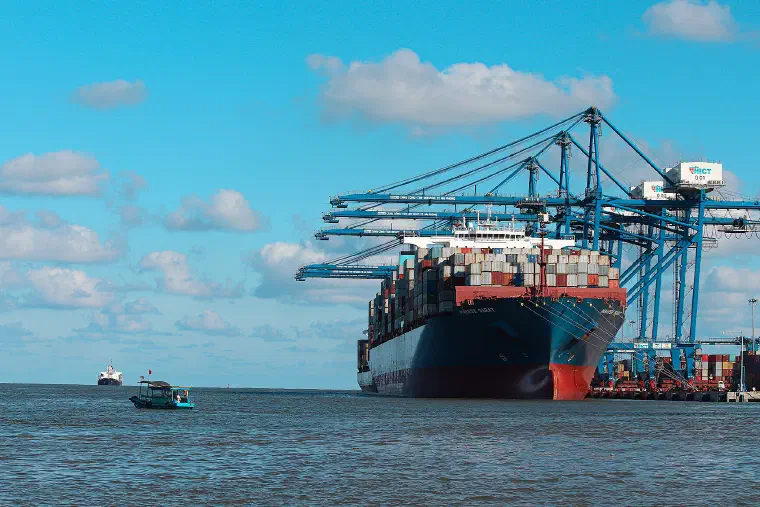
Amazon’s annual Prime Day shopping event expanded into an unprecedented four-day commercial extravaganza, offering millions of aggressive digital promotions. Yet beneath the promotional banners sat a stark operational reality: the event marked the definitive collision between deep algorithmic consumer discounting and the creeping, compounding cost of import tariffs.


The Algorithmic Margin Compression
To preserve sales velocity among inflation-weary consumers, third-party sellers and mass-market brands offered eye-popping headline discounts. However, behind the scenes, sellers were operating with severely degraded unit economics. Having absorbed 10 to 30 per cent baseline tariffs on imported consumer electronics, home furnishings, and apparel since early spring, merchants were forced to liquidate inventory at razor-thin or negative gross margins simply to service working capital debt.

The Retail Inflation Inflection
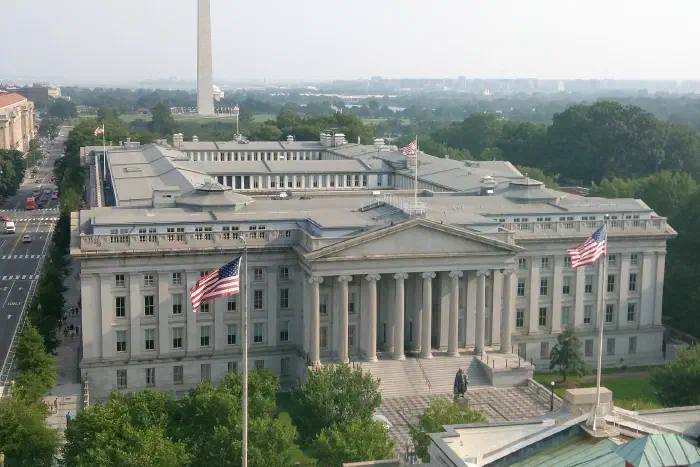
Prime Day demonstrated that while large digital platforms can temporarily manufacture promotional demand through artificial price suppression, they cannot defy supply-chain gravity indefinitely. The four-day event functioned as a final clearinghouse for pre-tariff and discounted inventory. Amazon’s extended Prime Day was a brilliant display of digital promotional power that masked a grim underlying reality: once the temporary promotional dust settles, retail prices must reset permanently higher to reflect the reality of universal border taxes.