Powell opens the door to cuts
Labour downside outweighs inflation
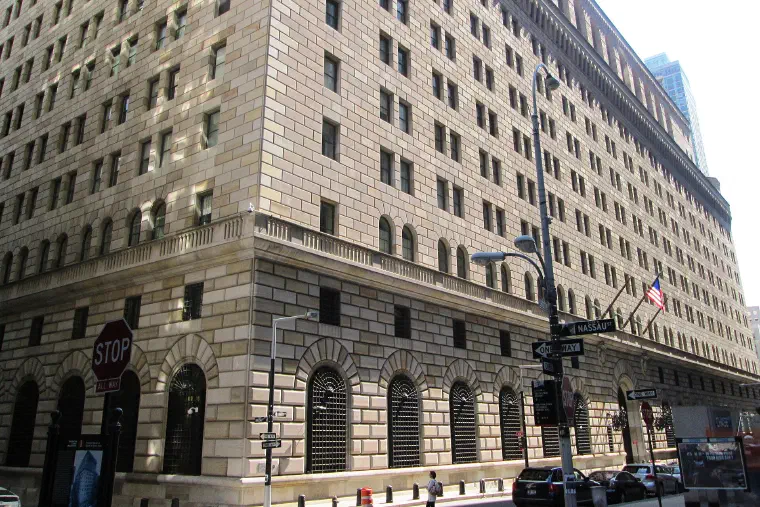
Federal Reserve Chairman Jerome Powell delivered a decisive monetary pivot during his annual address at the Jackson Hole Economic Symposium, formally signaling that the central bank is preparing to initiate benchmark interest rate reductions. Confronted with a cooling labor market, Powell stated unequivocally that downside risks to employment now outweigh upside risks to inflation.


The Shift in the Reaction Function
Powell’s remarks mark the official conclusion of the Fed’s inflation-obsessed policy posture. With non-farm payroll growth decelerating sharply and cumulative revisions erasing hundreds of thousands of jobs, the central bank’s dual mandate has rebalanced. Powell acknowledged that while tariff-related cost pressures remain an operational risk, monetary policy cannot afford to remain overly restrictive while domestic labor demand actively softens.


Yield Curve Steepening Impulse
Interest rate futures markets immediately locked in a September policy easing, driving short-term Treasury yields sharply lower and igniting a dramatic bull-steepening across the sovereign curve. Powell's Jackson Hole address officially opened the door to monetary easing, prioritizing the defense of the domestic labor market over the theoretical threat of tariff-induced cost-push inflation.