Peace, maybe: how markets price it
Scenario-weighted oil path
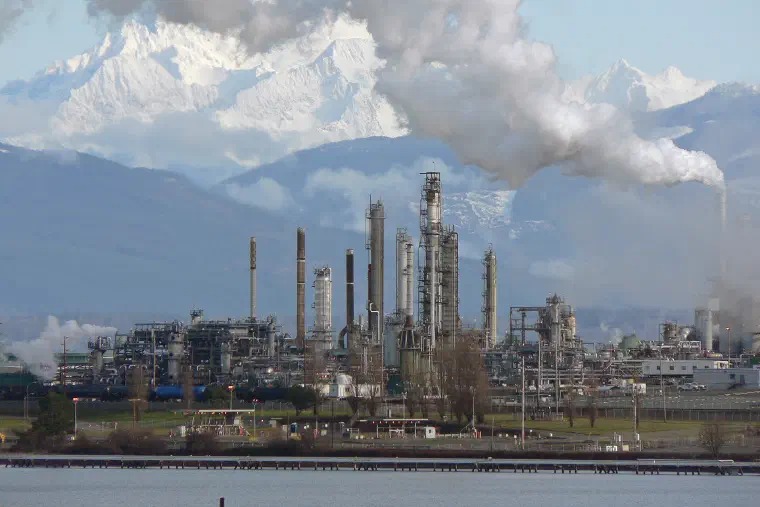
Financial markets staged a frantic, volatile relief rally on 26 May as diplomatic rumors circulated that a comprehensive Swiss-mediated peace framework between Washington and Tehran was imminent. Yet a disciplined scenario-weighted quantitative analysis of crude oil pricing reveals that trading desks are pricing a diplomatic fantasy rather than physical reality.

The Scenario-Weighted Framework
Quantitative commodities models assign explicit probabilities across three outcomes: a durable, verified peace reopening the strait within thirty days (25% probability), a prolonged diplomatic stalemate with ongoing asymmetric harassment (55% probability), or a catastrophic resumption of naval kinetic strikes (20% probability). Weighting these operational outcomes yields a mathematical fair-value baseline for Brent crude between $102 and $106 per barrel, far above the sub-$90 levels aggressively priced by speculative futures algos.

The Paper vs. Physical Disconnect
Speculative trading desks that rush to short crude on unconfirmed peace rumors repeatedly ignore the physical reality of the Persian Gulf. Even in a best-case diplomatic breakthrough, removing naval mines, restoring maritime insurance coverage, and restarting shut-in oil fields requires months of operational lead time. Pricing an immediate return to cheap energy on unverified peace rumors is a dangerous speculative trap: the physical damage to Persian Gulf infrastructure ensures that crude will maintain a hundred-dollar baseline long after diplomats finish shaking hands.