Paying tariffs while suing to get them back
Appeal keeps duties live
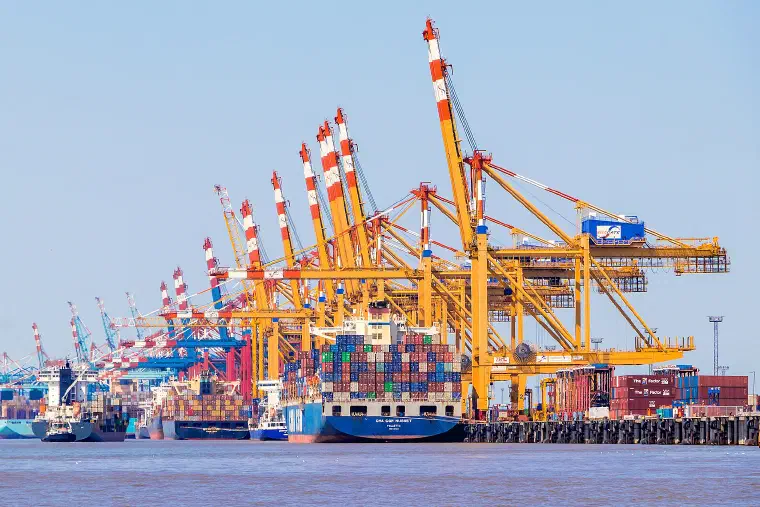
Corporate legal departments and financial comptrollers find themselves trapped in a bizarre, exhausting administrative limbo: legally compelled to pay ongoing Section 122 border tariffs while simultaneously funding expensive federal litigation to secure their eventual refund.

The Administrative Escrow Trap
Following the Court of International Trade’s ruling voiding Section 122 tariffs on 7 May, the administration immediately filed a notice of appeal, securing an emergency administrative stay pending appellate review. For commercial importers, the stay means that border duties remain legally active and must be paid in cash at the port of entry within ten days of vessel clearance. Corporate treasuries are effectively forced to lend interest-free capital to a federal trade regime that has already been declared unlawful by a federal court.

The Working Capital Bleed
Paying tariffs under protest while awaiting the outcome of multi-year appellate litigation creates an acute working capital bleed for import-dependent enterprises. Millions of dollars that should be deployed into productive capital investment or debt reduction remain locked in customs escrow accounts. Paying tariffs while suing to get them back has become the mandatory cost of doing business in modern America, trapping corporate capital in an absurd judicial holding pattern while federal courts slowly deliberate executive overreach.