One speech that flipped the Fed odds
December odds swing on one speech
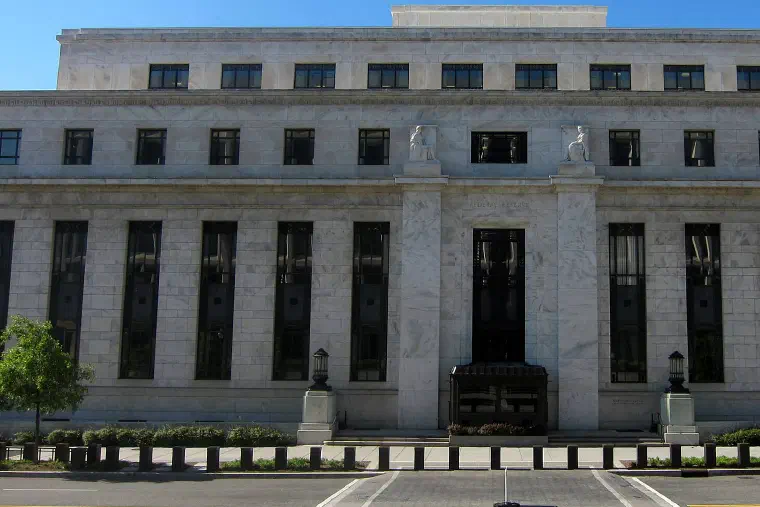
Financial markets underwent a violent, instantaneous recalibration in Federal Reserve policy expectations on 21 November, triggered entirely by a single, meticulously structured address delivered by New York Fed President John Williams. The probability of a December 25-basis-point interest rate cut leaped from a coin-flip 50 per cent to over 85 per cent within sixty minutes.

The Voice of the Core Leadership
In the Federal Reserve’s communication hierarchy, the President of the New York Federal Reserve—who serves as Vice Chairman of the FOMC and permanent voting member—speaks as the direct operational proxy for Chairman Powell. Williams emphasized that with the federal government shutdown resolved and labor market indicators showing structural softening, maintaining an overly restrictive policy stance posed an asymmetric threat to employment stability.

The Unwinding of Hawkish Hedges
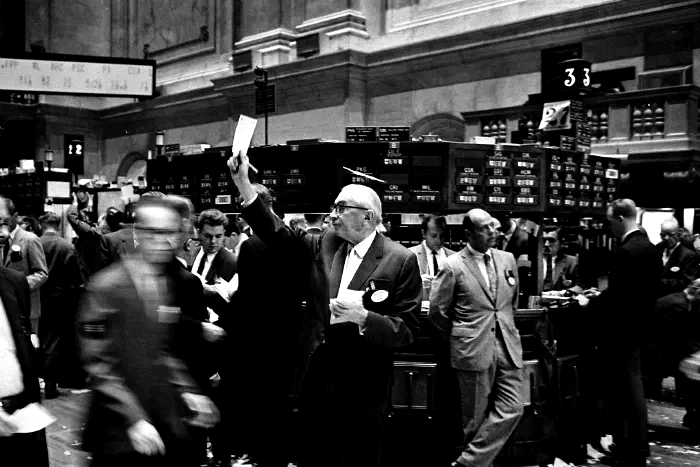
Trading desks that had built substantial hawkish hedges following sticky autumn inflation prints were forced into an immediate, chaotic unwind. Short-term interest rate futures surged, driving two-year Treasury yields down by 15 basis points in a single afternoon. John Williams’s speech demonstrated the supreme power of orchestrated central bank forward guidance: with a single calibrated address, the core leadership extinguished internal committee dissent and locked in a December rate cut.