Office towers face a $1.5trn refinancing problem
Refinancing at higher cap rates impairs equity
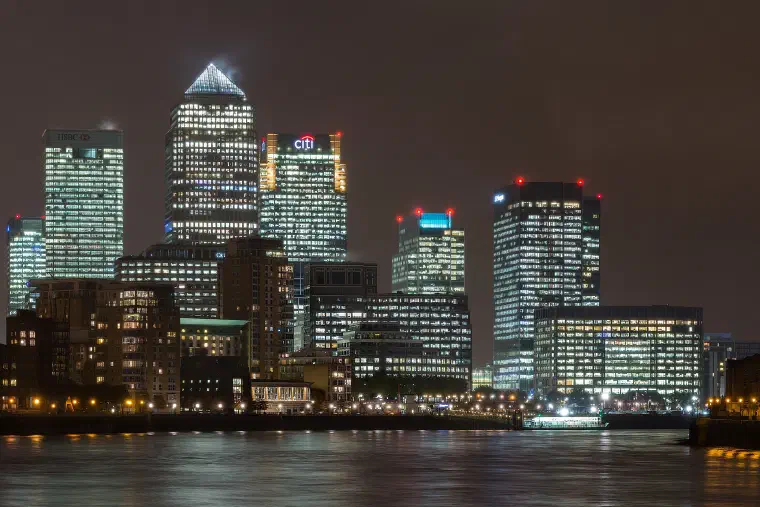
The post-pandemic commercial real estate crisis has ceased to be an academic dispute over hybrid working trends; it has arrived on corporate balance sheets as a $1.5 trillion debt refinancing emergency. According to Morgan Stanley estimates, approximately $1.5 trillion in commercial real estate debt matures before the end of 2025, with office properties representing the most toxic and unfinanceable tranche. Commercial mortgage loans originated in the easy-money era of 2018–2021 at capitalization rates near 4 per cent and debt coupons of 3.5 per cent now face a refinancing environment where benchmark borrowing costs exceed 7.5 per cent. For owners of urban office towers, the equity value of their properties has been completely vaporized.
The mathematics of commercial real estate restructuring are brutal and unforgiving. Property valuations are determined by dividing net operating income by the prevailing capitalization rate. With office vacancies climbing toward twenty per cent in major metropolitan hubs, net operating income has contracted sharply.

The Capital Stack Evaporation
Simultaneously, soaring benchmark interest rates have pushed market capitalization rates from 4.5 per cent to north of 7.5 per cent. In practical terms, an office building valued at $100 million in 2019 is now worth approximately $55 to $60 million.
Because the original senior debt facility was typically struck at 65 to 70 per cent loan-to-value ($65–70 million), the current property value no longer covers the face value of the existing mortgage. The borrower’s equity has been completely wiped out, leaving the lender holding an underwater asset.

The Keys on the Table
Faced with the requirement to inject tens of millions in fresh cash simply to pay down the existing loan and secure a higher-coupon refinancing, institutional asset managers—including Brookfield, Blackstone, and PIMCO—are choosing the rational path: handing the keys back to lenders.
This wave of strategic defaults is rolling directly onto the balance sheets of regional banks, life insurers, and CMBS trusts. The $1.5 trillion CRE maturity wall is an inescapable balance-sheet reckoning; urban office towers cannot be refinanced in a 7 per cent world, ensuring a multi-year transfer of distressed commercial real estate from over-leveraged sponsors to loan-loss reserves.