Nvidia's forecast stuns Wall Street
Guidance shock re-rates AI infrastructure
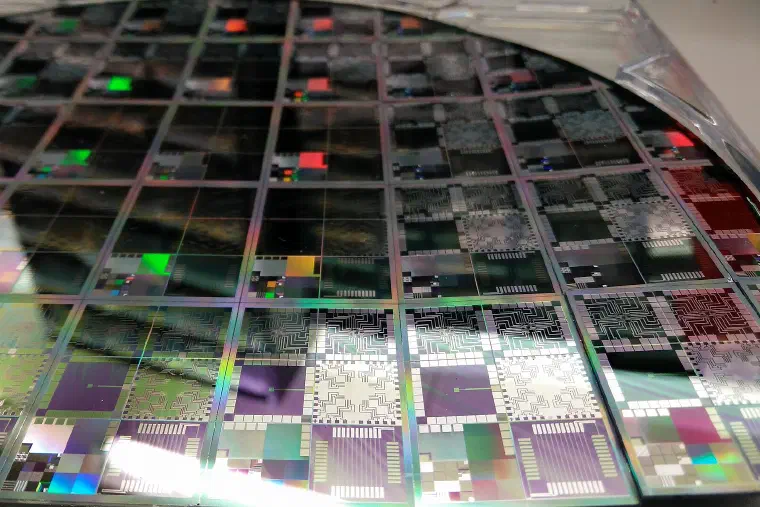
On 24 May, Nvidia delivered an earnings release and forward guidance that will stand as one of the most stunning inflection points in modern corporate history. Having generated first-quarter revenues of $7.19 billion, management stunned Wall Street analysts by forecasting second-quarter revenue of $11.0 billion—a mind-boggling 53 per cent above consensus expectations of $7.15 billion. The stock surged 24 per cent in after-hours trading, adding nearly $200 billion in market capitalization in a single session and propelling the chipmaker toward the elite $1 trillion valuation club. In a market bogged down by regional bank failures and macro gloom, Nvidia single-handedly ignited a speculative revolution in generative artificial intelligence.
The magnitude of Nvidia’s guidance beat was unprecedented for a mega-cap enterprise. This was not a modest beat-and-raise engineered by conservative corporate treasury guidance; it was an industrial demand explosion.


The Hardware Monopoly
The global race to develop large language models had triggered a synchronized, insatiable demand shock for Nvidia’s accelerated computing architecture. Cloud titans—Microsoft, Google, Meta, and Amazon—embarked on an uncoordinated capex land grab, ordering tens of thousands of H100 and A100 GPUs to build out foundational AI infrastructure.
Nvidia’s proprietary CUDA software ecosystem created an unassailable competitive moat, allowing Jensen Huang’s company to capture near-monopoly margins on enterprise AI hardware. The capital allocation playbook across corporate America was rewritten overnight: slash general corporate overhead and redirect every available dollar into GPU compute clusters.

The Valuation Frontier
Yet Nvidia’s historic rerating exposes the broader equity market to an extreme, fragile concentration. A handful of mega-cap technology platforms now account for the entire year-to-date return of the S&P 500, creating an optical illusion of market breadth.
Investors are pricing in an immaculate, infinite growth trajectory that assumes AI capex will continue compounding without cyclical pauses or hardware supply digestion. Nvidia's breathtaking guidance proved that the generative AI revolution is backed by real, unprecedented hardware capital expenditure, but it has transformed the global stock market into a high-stakes, concentrated wager on a single semiconductor balance sheet.