Nvidia's China problem
Guidance ex-China
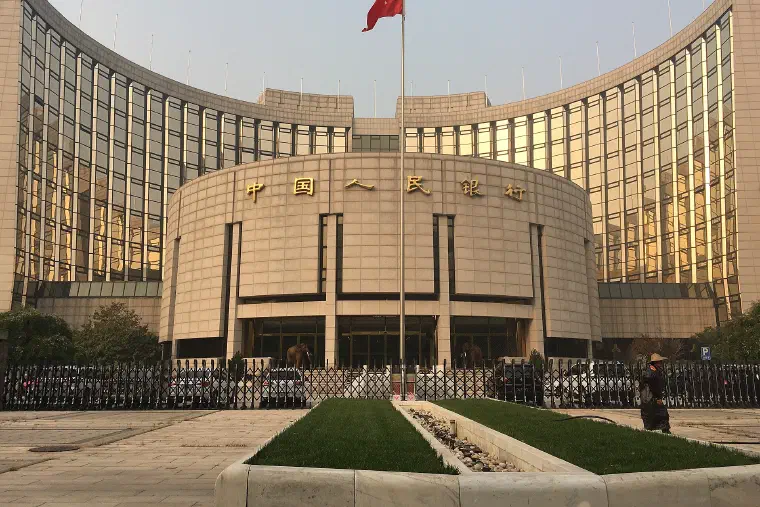
Nvidia delivered another blockbuster quarterly earnings print for the second quarter of fiscal 2026, generating $46.7 billion in revenue. However, beneath the headline triumph sat an escalating geopolitical headache: the semiconductor giant was forced to issue forward financial guidance that entirely excluded projected revenue from the Chinese market.
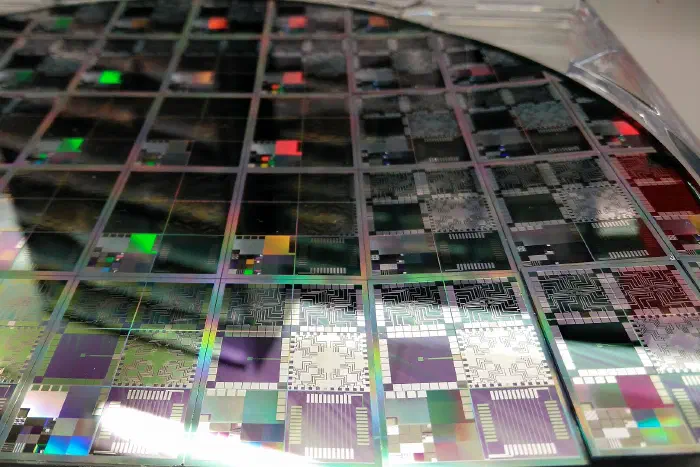

The De-Risking of China Cash Flows
Confronted with shifting export restrictions, licensing delays, and statutory revenue-sharing mandates, Nvidia’s management chose to strip Chinese data center demand out of baseline forward models. For equity analysts, this marks an extraordinary corporate de-risking step. China historically represented over twenty per cent of Nvidia's global data center revenue. Writing off that market from forward multiples acknowledges that geopolitical fragmentation has permanently curtailed the company's addressable global monopoly.


Hyperscaler Reliance Intensification
Excluding China concentrates Nvidia's future revenue growth almost exclusively in the capital expenditure budgets of four American hyperscalers: Microsoft, Meta, Alphabet, and Amazon. By removing China from its financial guidance, Nvidia insulated its forward projections from regulatory whims, but transformed its equity story into an unhedged bet on the domestic hyperscaler capex cycle.