Liberation Day: what to expect
Reciprocal tariff scenario tree
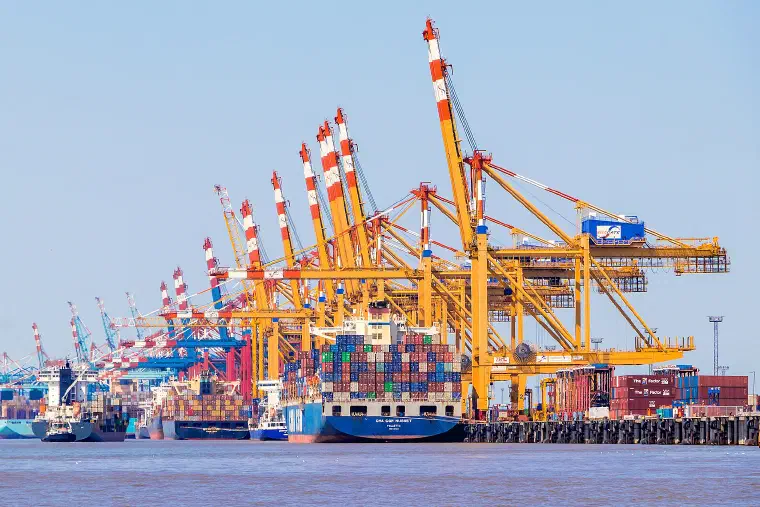
Dubbed 'Liberation Day' by administration trade strategists, the scheduled expiration of multi-decade international tariff agreements presents global supply chains with an unprecedented scenario tree. At the close of 2024, the effective US tariff rate stood at a historic low of approximately 2.4 per cent, anchoring an era of frictionless global trade. That baseline is now being dismantled in favor of an aggressive reciprocal tariff matrix designed to enforce bilateral balance.

The Reciprocal Scenario Matrix
Corporate procurement divisions are stress-testing three divergent operational pathways: a full-scale reciprocal tit-for-tat escalation, a negotiated exemption framework tied to bilateral capital investment pledges, or an across-the-board baseline levy. Each branch of the decision tree carries radically different working capital implications. In an unconstrained escalation scenario, landed costs across industrial imports surge by 15 to 25 per cent, rendering fixed-margin distribution contracts instantly unviable.


Supply-Chain Dislocation Costs
The structural friction lies in the sheer impossibility of executing immediate supply-chain diversification. Re-routing procurement away from targeted jurisdictions requires re-certifying tier-two suppliers, re-negotiating purchase orders, and absorbing substantial switching costs. 'Liberation Day' represents not an emancipation of domestic production, but the imposition of a massive, unhedged operational tax on multinational supply networks that will compress corporate margins for quarters to come.