Japan's deal: 15% and $550bn
Investment pledges as tariff price
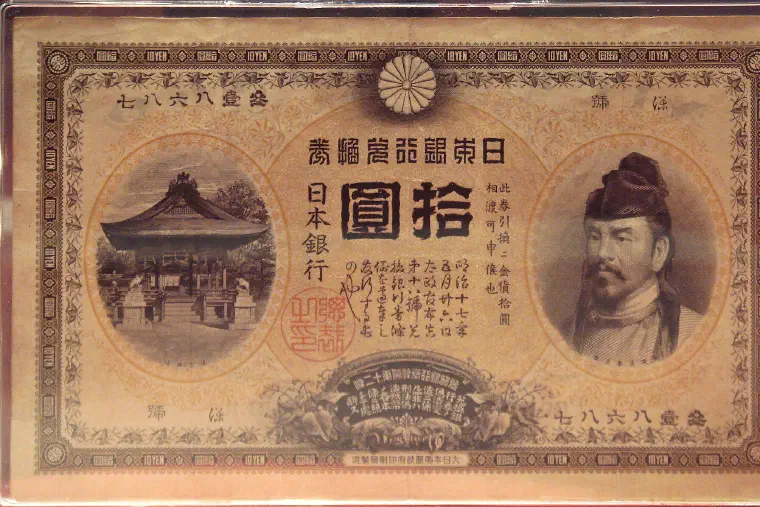
Facing the imminent expiration of a 25 per cent tariff ultimatum, Tokyo delivered a comprehensive bilateral capitulation: an executive trade pact that establishes a 15 per cent baseline tariff on Japanese goods, sweetened by a massive commitment to deploy $550 billion in private and state-directed Japanese capital investment into the United States.
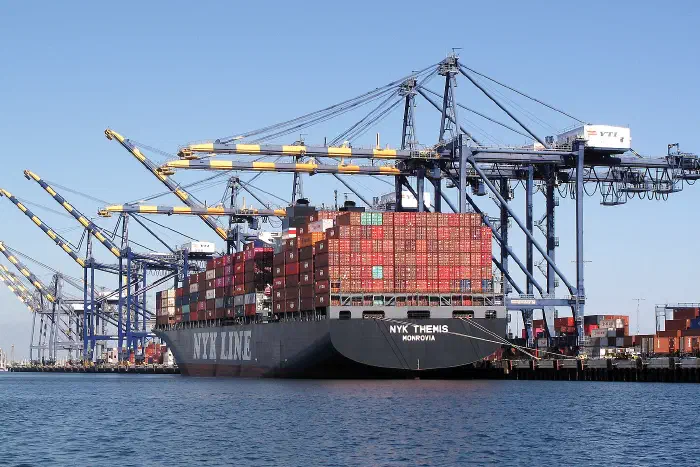

The Price of Market Access
The agreement marks the definitive codification of the 'investment-for-tariffs' diplomatic doctrine. Japan’s industrial conglomerates—Toyota, Mitsubishi, Panasonic, and Nippon Telegraph—will fund hundreds of billions in domestic American battery gigafactories, semiconductor packaging plants, and energy infrastructure over the next five years. In exchange, Japanese exporters avoid the devastating 25 per cent penalty, settling for a manageable 15 per cent levy.
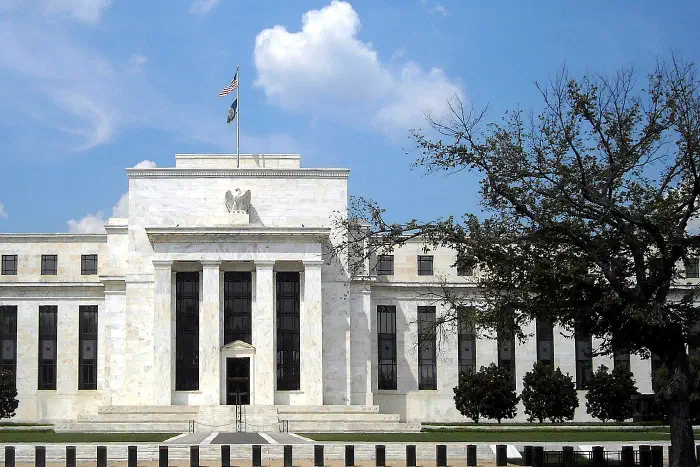

Corporate Cash-Flow Concessions
While the deal averts an immediate trade embargo, committing $550 billion in direct capital allocation diverts immense financial resources away from domestic Japanese investment and shareholder dividends. Japan’s trade agreement preserves vital corporate access to the American market, but at an extraordinary price: turning Japanese corporate balance sheets into a captive capital development fund for American domestic industrial policy.