Independence Day: Is the dollar losing its crown?
Reserve diversification pace
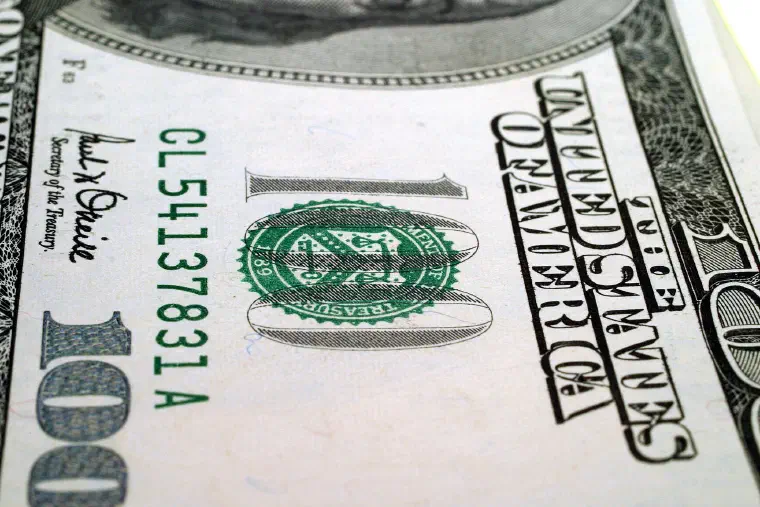
As the United States celebrates Independence Day, the global financial architecture is quietly contemplating the durability of American monetary hegemony. According to the International Monetary Fund’s COFER data, the US dollar’s share of allocated global foreign exchange reserves has slipped to roughly fifty-eight per cent—its lowest level in nearly three decades.
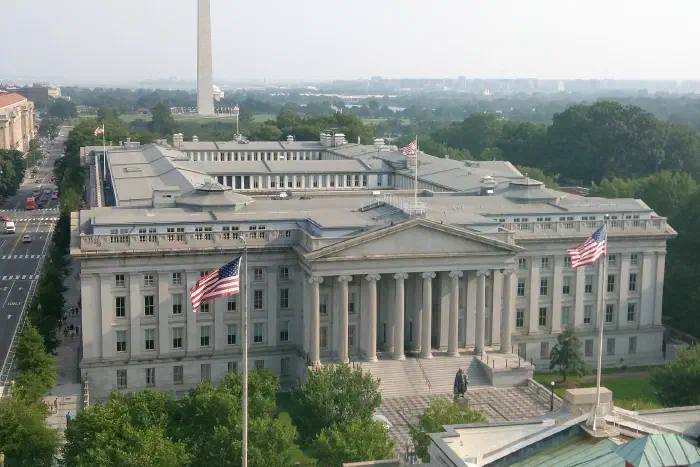

The Glacial De-Dollarisation
While commentators periodically predict the imminent demise of the dollar, the reality is a slow, structural diversification rather than an abrupt collapse. Emerging market central banks, unnerved by the weaponisation of Western financial sanctions, are steadily increasing allocations to physical gold and non-traditional currencies. The dollar’s network effects remain formidable, but its sovereign monopoly is slowly being eroded at the margin.

The gradual decline in the US dollar’s share of global foreign exchange reserves is not an existential collapse, but a deliberate, slow-moving diversification into gold and alternative reserve assets.