How much will oil push up prices?
Second-round effects by regime
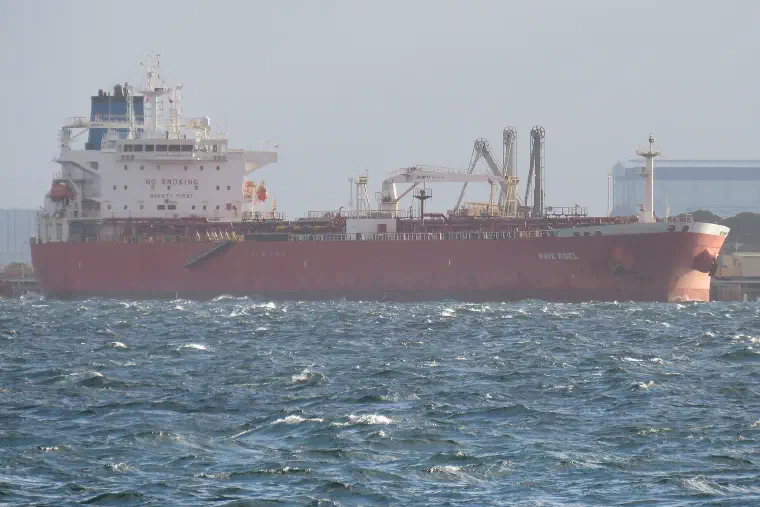
With Brent crude soaring comfortably past $100 per barrel for the first time since August 2022, quantitative econometricians and central bank modeling desks are urgently revising second-round inflation pass-through frameworks. A hundred-dollar oil shock hitting an economy with tight labor markets operates under a vastly different transmission dynamic than in prior decades.


The Second-Round Transmission Channels
The initial shock is mechanical: gasoline and diesel prices spike at retail pumps within seventy-two hours, directly lifting headline consumer price indices. However, the critical danger lies in the second-round effects: jet fuel surcharges hitting airline tariffs, diesel freight surcharges elevating grocery distribution costs, and chemical feedstock inflation bleeding into industrial manufacturing. When headline inflation is already lingering near three per cent, surging fuel costs rapidly reset worker wage expectations.


Regime-Dependent Inflation Risks
Econometric impulse-response functions show that during periods of low inflation, corporate margins absorb energy spikes. Today, after three years of acute pricing power, corporations will pass energy surcharges directly to customers. Brent crude above $100 is not merely an energy market event; it is an unconstrained inflation catalyst that will ripple through the entire domestic cost structure, shattering hopes of further monetary easing.