How much inflation could tariffs add?
60/25/10 inflation scenarios

As Wall Street economic desks finalize their 2025 outlooks, quantitative modeling has shifted entirely to evaluating the macroeconomic consequences of prospective tariff scenarios. Economists analyzing the proposed sixty per cent tariff on China, twenty-five per cent on Mexico and Canada, and ten per cent universal duties agree that protectionism will deliver an undeniable supply-side inflation shock.
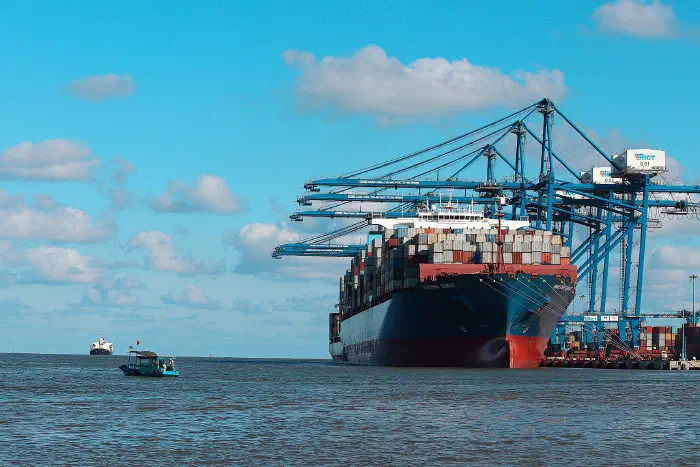

Decomposing the Tariff Shock
Consensus econometric models estimate that full implementation of the proposed tariff suite could add between 0.8 and 1.5 percentage points to headline US inflation in 2025, while reducing real GDP growth by up to a full percentage point. This stagflationary supply shock will restrict the Federal Reserve’s capacity to ease policy, forcing central bankers to maintain restrictive borrowing costs even as economic activity slows.

Econometric modeling of incoming tariff scenarios confirms that universal trade barriers will deliver a stagflationary supply shock, lifting consumer prices while simultaneously depressing real output.