Halloween: The scariest balance sheets in AI
Circular vendor financing
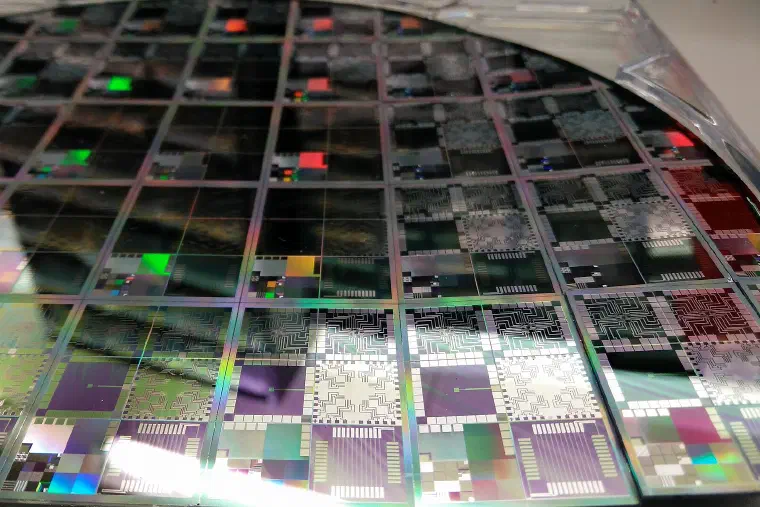
On Halloween, Nvidia cemented an extraordinary milestone in global financial history: its market capitalization breached a staggering $5 trillion on 29 October. Yet beneath the euphoria of the world's most valuable enterprise sits a speculative web of circular customer financing and debt-fueled hyperscaler commitments that represents the scariest balance sheet in modern technology.


The Fragility of the Compute Flywheel
Nvidia’s $5 trillion valuation assumes that hyperscaler capital expenditures will compound indefinitely at fifty per cent annual growth rates. However, the customers underwriting this spending—Microsoft, Meta, Alphabet, and private AI labs—are increasingly funding their silicon purchases through massive corporate debt issuance and circular vendor equity arrangements. When software monetization yields negligible returns against invested capital, the compute buildout risks an abrupt halt.


The Valuation Precipice
A single corporate titan commanding ten per cent of total US equity index capitalization creates unprecedented systemic vulnerability. If hyperscaler capex budgets pause to digest existing capacity, the valuation multiple compression will be historic. Nvidia at $5 trillion is the ultimate monument to the artificial intelligence boom, but it rests on a circular financing architecture that leaves the entire global equity complex exposed to an unhedged compute digestion cycle.